

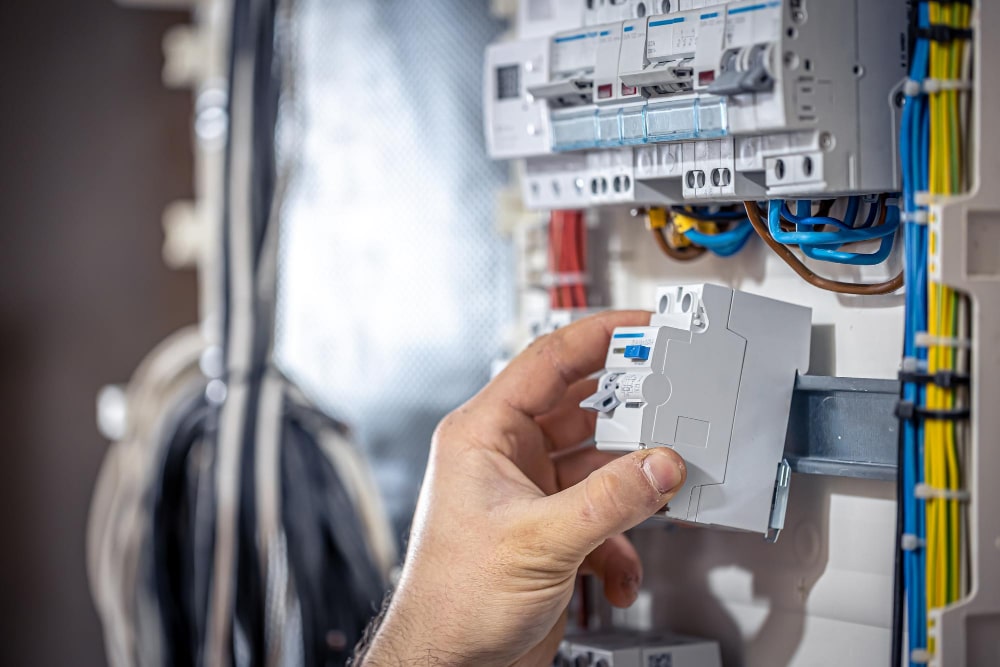
Picture this: it’s a scorching Adelaide summer afternoon and you’re craving a quiet arvo with the aircon humming in the background. Suddenly your lights flicker, the fan stalls, and the power cuts out. Sound familiar? For Aussie homeowners, a tripped circuit breaker is more than a mere annoyance – it’s your electrical system’s way of waving a red flag. Just like a referee stopping a game when things get out of hand, the circuit breaker shuts off the power to protect your home when it senses trouble.
But if your breaker is misbehaving more often than not, it’s time to listen up. In this article, I (at Hybrid Electrical) will walk you through the 10 warning signs that your circuit breaker needs professional repair in Adelaide. You’ll get real-world explanations and safety insights – no techno-jargon, I promise. Let’s dive in.
How Circuit Breakers Keep You Safe
Think of your circuit breaker as your home’s silent guardian angel (or strict school principal). When everything is normal, you barely notice it – but the moment too much electrical current flows, the breaker cuts the power faster than you can say “Oops!”. In electrical terms, when current rises above a safe threshold, the breaker trips and flips off. This prevents wiring and devices from overheating or catching fire. As an electrician, I often compare it to a pressure valve: it releases the pressure (power) to prevent an explosion (an electrical fire).
Even Aussie regulators remind us that any work on these safety devices must be done by a pro. For example, South Australia’s regulations say that switchboard safety switches (think modern-day circuit breakers) “must be installed by a licensed electrician”. So whether it’s a new circuit breaker installation or a repair, calling a licensed electrician in Adelaide is the law – and the safest choice.
Now, I’ll walk you through what happens when your circuit breaker starts misbehaving. Spotting these warning signs early can save you a scary weekend of blown fuses (or worse, a house fire) and keep your home’s power flowing smoothly.
10 Warning Signs Your Circuit Breaker Needs Professional Repair
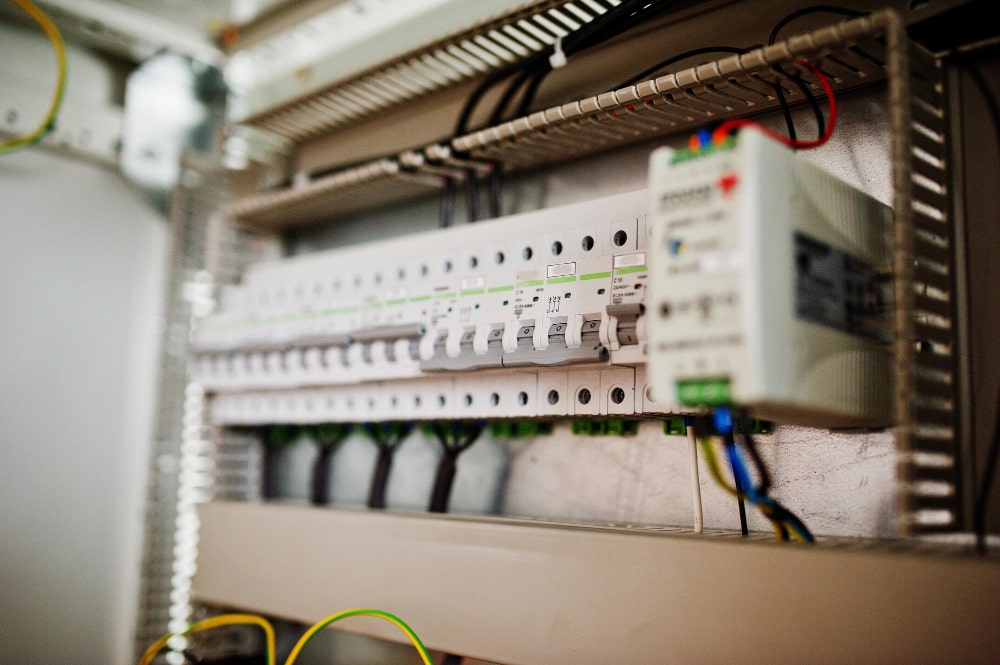
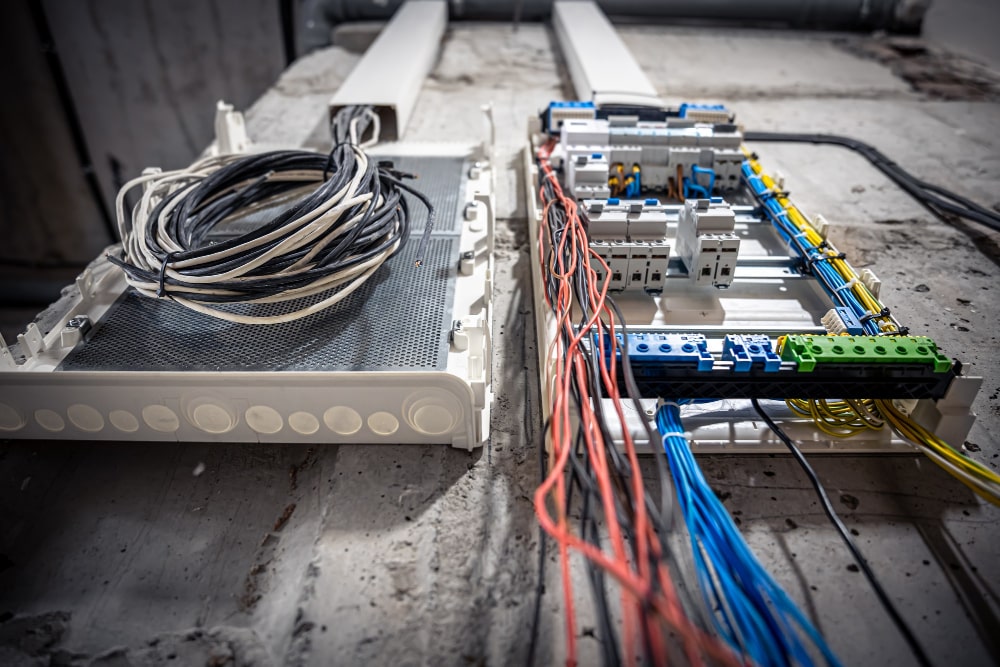
1. Frequent Breaker Trips.
This one’s a dead giveaway and the headline of many DIY horror stories. If you’re constantly resetting the breaker, your circuits are stressed. It could be from too many appliances on one line or an old breaker giving up. As experts note, a breaker that trips frequently usually means something is chronically overloading the circuit or failing. For example, running the aircon, microwave, and heater all at once might overload an old 15A circuit. If the trips don’t stop when you reduce the load, or if the breaker never fully resets, it’s time to quit the DIY and call Hybrid Electrical.
2. Burning Smell or Heat.
Smelling smoke or noticing warmth around the fuse box is never normal. A burning odor near power outlets or the switchboard often means wiring is overheating or insulation is melting. These issues – as one electrical safety site warns – “might indicate something is overheating, the wires are damaged, or the electrical connections are loose; any of which can start an electrical fire.”. Likewise, if faceplates or the switchboard feel unusually hot or warm to the touch, that’s a heat warning sign. The minute you catch a whiff of burning or feel heat, switch off the main power and call Hybrid.
3. Buzzing, Crackling or Sparks.
Your circuit breaker (and panel) shouldn’t make much noise – think of it as the quiet guardian. So if you hear buzzing or crackling from the switchboard or outlets, take notice. These sounds often accompany loose connections or arcing, which can melt wires or even spray sparks. I’ve seen outlets with scorch marks and circuits that sing like a blew fuse because of this. Any snapping or sparking when you plug something in, or a tingle of electricity when touching a switch, means “a broken appliance, damaged outlet, or short circuit,” so call us immediately. Don’t wait for full-blown sparks to fly – that’s a recipe for disaster.
4. Flickering or Dimming Lights.
If lights are dancing or dimming when you use an appliance, that’s bad news. In Adelaide’s older suburbs (like North Adelaide cottages), I often get calls about lights flickering whenever a heater or hair dryer kicks in. This usually points to a failing circuit breaker or loose wiring. As one electrician blog notes, flickering lights or erratic power can “indicate a circuit breaker is failing”. For example, if a light at the far end of a hallway flickers while you run a fridge, the voltage is dipping. It might mean the breaker can’t handle the load, or loose connections are disrupting power. Either way, flickering lights are your cue to get an expert to check the panel and circuits.
5. Sparks or Shocks from Outlets.
Did you ever accidentally snag a plug and see a tiny spark? Or feel a small shock when unplugging something? It’s not just you. If electrical outlets spark or give you a zap, stop using that circuit. These signs often mean the breaker or the outlet itself is faulty. In worst cases, you might see melted outlet plates or sockets with black scorch marks – a sure sign of arcing. Jim’s Electrical (another Aussie electrician) even lists “outlets that shock, spark, or are melted or singed” as major red flags. We’d describe it as a “circuit breaker on life support” – don’t toy with it. Switch the device off, unplug it, and call our team for a full electrical fault finding.
6. Overloaded Circuit Trips.
We all love our gadgets, but sometimes modern life simply outgrows old wiring. If your breaker trips the instant you turn on the microwave and toaster, your circuit might be overloaded. This happens when you put more demand on a line than it was designed for. Too many high-wattage appliances (like heaters, ovens, EV chargers, etc.) on one circuit is a classic cause. As safety experts explain, “overloaded circuits” – from too many devices – “causes your power to keep tripping out as the breaker interrupts” to prevent overheating. The fix might be as simple as redistributing loads, but often it signals you need a switchboard upgrade or dedicated circuit. Don’t shrug off repeat overloads; they stress the whole system.
7. Breaker Keeps Tripping With No Load.
Here’s one that puzzles homeowners: you reset the breaker, nothing’s plugged in on that circuit, and it immediately trips again. This is a clear indication the fault is in the wiring or the breaker itself. It’s not an appliance problem – it’s hidden in the house wiring. When a circuit trips with zero load, you should consider it a serious warning sign. It could be damaged insulation, moisture ingress, or internal panel faults. In this case, leave it off and have Hybrid conduct a full electrical safety inspection. Continuing to play “Hot Potato” with the switch only risks fire or shock.
8. Visible Damage or Discolouration.
Any charring, melting, or rust on outlets, switches, or circuit breakers means trouble. Our eyes might fail us in the dark, but a close look after a trip can be revealing. Blackened switch plates, brown stains, or melted fuses are signs of intense heat or arcing. A home safety guide says “blackened, scorched or melted outlets… are strong indicators of underlying faults”. Even yellowing around sockets or panels hints at gradual overheating. If you see these, do not reset the breaker – call an electrician.
9. Old or Outdated Electrical Panel.
“She’ll be right!” doesn’t apply to ancient switchboards. Many Adelaide homes still have 1970s-era fuse boxes or very old breaker panels. These can’t handle today’s power needs and may lack modern safety features. As electricians note, most panels should be inspected every 10 years and many breakers last only 30–40 years. If your panel is ageing (or still uses fuses and dicey main levers), treat it as a warning sign. Old panels often develop hidden faults and need upgrade. A key clue: your panel is hot, noisy, or tripped more often since a renovation or new appliance install. Hybrid can replace that outdated fuse box with a modern breaker panel safely.
10. Breaker Won’t Reset or Stay On.
Finally, if a breaker physically won’t stay switched on, you have a faulty breaker on your hands. Sometimes the toggle feels loose, or you flip it on and it immediately flips back off. Other times it won’t flip on at all. Either situation means the internal mechanism is broken. According to electrician advice, if you “are unable to fully reset a tripped breaker, you should call an electrician immediately”. This isn’t like a lightbulb that flicks off. A breaker that won’t re-engage is as unreliable as a parachute with a hole – let a professional handle it.
Each of these symptoms – from repeated trips to a mysterious burning smell – is a yellow light (or red light!) for your home’s electrical health. Mix and match them, and you know something serious is brewing in the wiring. Now, you might wonder: why not just DIY fix a breaker? Here’s the bottom line: handling live circuit breakers without the right gear is dangerous. Beyond the risk of shock, poorly done repairs can void compliance and insurance. Always remember: only a licensed electrician should touch breakers or switchboards.
Why Professional Repair Matters (Call a Licensed Electrician Adelaide)
It might sound dramatic, but neglecting these warning signs really is taking a gamble with fire. A failed circuit breaker could mean overheated wires or even an electrical fire down the track. That’s why a thorough Electrical Safety Inspection by a pro is so important. We at Hybrid Electrical have decades of hands-on experience with Adelaide switchboards – from suburban bungalows to city townhouses. We do everything from circuit breaker maintenance and electrical panel repairs to full switchboard upgrades (think old fuse box replacement).
When our electrician arrives, we’ll use tools like a clamp meter or thermal camera to pinpoint the issue. For example, we might do some electrical fault finding to identify a short circuit or overloaded branch. We also ensure your safety switches (RCDs) and breakers meet Australian Standards. In fact, South Australia’s regulators stress that safety switches “must be installed by a licensed electrician”. The same goes for any repair or replacement of breakers: it’s not just a good idea, it’s the law. And don’t forget the paperwork – any work must come with a Certificate of Compliance for your peace of mind.
Beyond repairs, we can suggest preventative measures. Maybe you need dedicated circuits for heavy appliances to avoid constant overloads, or surge protectors to guard sensitive electronics. We can even handle electrical panel upgrades if your old panel is under-rated (looking at you, 1970s switchboard!). Our goal is to upgrade your circuit protection so your home runs safely without surprise outages. After the repair, we’ll never simply walk away. We double-check everything, test the circuits, and ensure your breaker behaves as it should.
At Hybrid, we talk about “circuit breaker repair” a lot, but we also cover the whole spectrum: Circuit Breaker Replacement, installation of new breakers, and ongoing maintenance plans. We’re not just fixers – we’re educators. We’ll explain what’s happening in plain English (no technobabble) and answer any questions you have. And yes, we do emergency call-outs 24/7 – if your panel is sparking at 2 AM on a weekend, we’ll come and sort it. Your home’s electrical safety is our top priority, so you can rest easy under the Adelaide sky.
Conclusion
In a nutshell, your circuit breaker isn’t just a switch on a box – it’s the ultimate protector of your home. If you notice any of the 10 warning signs above – from frequent tripping and flickering lights to burning smells and shocking outlets – don’t shrug it off. These are clear signals that your electrical system needs attention. Ignoring them can turn a small repair into a major disaster. Instead, take action: schedule an inspection, have an electrician test your switchboard, and if needed, get that breaker repaired or replaced.
Remember, even if it feels like a tiny hiccup now, the long-term safety of your family and home is at stake. Hybrid Electrical is right here in Adelaide, ready to help. Our licensed electricians have the expertise to diagnose and fix any circuit breaker issue, from simple resets to full panel upgrades. We’re all about Electrical Circuit Repair done right – quickly, affordably, and safely.
Got a nagging breaker problem? Don’t wait for the problem to find you (or a fire). Give us a call or fill out our online form to arrange a consultation. At Hybrid Electrical, we’ll get your power flowing smoothly and let you get back to enjoying your next movie night or barbie in peace. Your lights – and safety – are worth it.
FAQs
Q: Why does my circuit breaker keep tripping, even when I’m not using many appliances?
Often, a breaker trips because something in the circuit is wrong – it could be overloaded, have a short circuit, or even a ground fault. If nothing is plugged in and it still trips, the issue is probably with the wiring or the breaker itself. In other words, the breaker is doing its job by cutting power when it senses a fault. In this case you should switch it off and call a professional to diagnose the fault (it might be damaged wiring or moisture in the circuit).
Q: My lights flicker and dim. Could that mean my breaker is faulty?
Yes, flickering lights are a red flag. While a loose bulb can sometimes cause it, frequent flicker usually points to a bigger issue – like a failing breaker or loose connections in the panel. For example, if lights in one room blink when you start the oven, the voltage is dropping due to heavy load on a weak circuit. We’d test the breaker and wiring; if the breaker is weak or outdated, circuit breaker repair or replacement may be needed. Don’t ignore flickering – it’s your home’s way of begging for help.
Q: Can I just reset the breaker myself or do I need an electrician?
It depends. If it tripped and showed no signs of damage (no burning smell, noise, or visible fault) and you know it was just an overload, you can try turning off some appliances and resetting it. But if it trips again immediately, or you smell something, or the breaker won’t reset fully, stop there. That indicates a deeper problem. Australian law actually requires certain fixes to be done by a licensed electrician. For your safety, it’s best to call it Hybrid. We have the proper equipment to safely test and repair the breaker or find any hidden faults.
Q: How can I tell if my circuit breaker needs replacement instead of repair?
Sometimes breakers just wear out. Signs that a breaker itself is bad include it feeling loose or warm when on, an inability to stay reset, or any physical damage to the switch. Also, if your switchboard is very old (for instance, older than 30 years or still using fuses), it probably needs an upgrade or panel replacement. During our visit, we’ll inspect the breaker’s performance and the panel’s age. If the breaker’s internal components are failing, we’ll recommend a circuit breaker replacement rather than a simple repair. New breakers can prevent nuisance trips and improve safety.
Q: How often should I have my electrical system inspected for safety?
Think of it like a car service. In Australia it’s wise to get a residential electrical safety inspection every 5–10 years, or whenever you notice issues. If your home is older than 20 years, or if you’ve added new big appliances or EV chargers, book an inspection. During an inspection, our licensed electrician will perform electrical fault finding: testing breakers, checking all connections, and looking for any hidden risks. Regular maintenance and upgrades can greatly reduce the chance of emergencies – it’s a smart move for any household.