

Introduction: Adelaide Summers Are No Joke — Neither Is Bad Airflow
If you’ve spent a summer in Adelaide, you already know what kind of heat we’re talking about. The kind that turns your car into a mobile oven, makes the footpath shimmer at midday, and turns a poorly ventilated house into something that feels less like a home and more like a slow cooker. Adelaide regularly tops the charts for Australia’s hottest city during summer, and when the mercury climbs past forty degrees, the way air moves through your home stops being a comfort preference and starts being a genuine quality-of-life issue.
Ceiling fan installation is one of the most effective and energy-efficient ways to address this — and yet it’s one of those home improvements that people consistently underestimate. Not the fans themselves (everyone knows ceiling fans exist), but the difference that a professionally installed, correctly specified fan in the right location makes compared to a poorly placed unit that just stirs hot air around. Get it right, and a ceiling fan can make a room feel genuinely cooler without touching the thermostat. Get it wrong — wrong size, wrong height, wrong speed, wrong direction — and you’ve spent money on something that’s doing almost nothing useful.
Hybrid Electrical’s team installs ceiling fans across Adelaide every single week, and the feedback after a professional ceiling fan installation is almost always the same: “I didn’t realise how much difference it would make.” This guide is here to make sure you understand exactly why that is, and what goes into doing it properly.
Why Ceiling Fans Work: The Science Behind the Comfort
Understanding why ceiling fans actually work helps explain why installation quality matters so much. Ceiling fans don’t lower the air temperature in a room — this is one of the most common misconceptions about them. What they do is create a wind chill effect on the people in the room, which makes the ambient temperature feel several degrees cooler than it actually is. When moving air contacts your skin, it accelerates the evaporation of perspiration, and that evaporation draws heat away from your body. The result is a perceived temperature drop of somewhere between two and four degrees Celsius — significant enough to feel genuinely refreshing.
This wind chill mechanism is why the placement and blade height of a ceiling fan during installation matters enormously. A fan that’s installed too high in a vaulted ceiling, or one that’s positioned in a corner where it doesn’t directly reach the occupied zone of the room, creates airflow that largely misses the people below it. The air moves, technically, but the people in the room don’t feel it effectively. Professional ceiling fan installation accounts for this by positioning the fan at the optimal height — typically between 2.1 and 2.4 metres from floor to blade — and centring it in the occupied area of the room rather than just geometrically in the ceiling.
There’s also a seasonal dimension to ceiling fan operation that surprises many Adelaide homeowners. In summer, the fan should run anticlockwise (when viewed from below), which pushes air straight down and creates that direct wind chill effect. In winter, reversing the direction to clockwise causes the fan to draw air up from the occupied zone and push the warm air that’s pooled at the ceiling back down along the walls without creating a cooling draught. This means a ceiling fan is genuinely useful year-round in Adelaide’s climate — not just a summer accessory. Most modern fans have a simple switch or remote-controlled direction reversal, which is part of what Hybrid Electrical’s team explains to clients after every ceiling fan setup.
What Professional Ceiling Fan Installation Actually Involves
This is where a lot of homeowners get surprised, because professional ceiling fan installation involves considerably more than taking a fan out of the box and screwing it to the ceiling. The reality is that ceiling fan wiring, structural mounting, and electrical safety requirements mean this is firmly in the category of licensed electrician work — not a Sunday afternoon DIY project.
In Australia, any electrical work — including ceiling fan installation — must be performed by a licensed electrician. This isn’t bureaucratic red tape; it’s a genuine safety requirement that protects you, your household, and your home. Ceiling fans involve both electrical connections and structural load considerations, and an improperly installed fan can fail in ways that range from nuisance-level (wobbling, noise) to genuinely dangerous (electrical faults, structural failure). Hybrid Electrical is a fully licensed electrical contractor in South Australia, and every ceiling fan installation Adelaide-wide that the team performs meets current Australian Standards.
The installation process begins with assessing the installation location — checking the ceiling structure for appropriate mounting points, confirming that the existing wiring and circuit capacity are suitable for the fan being installed, and identifying whether a fan-rated ceiling box (a specific type of mounting box designed to handle the dynamic loads of a rotating fan) is already in place or needs to be installed. Many older Adelaide homes have standard light fixture boxes that are not rated for ceiling fans, and using them risks both wobbling and eventual failure of the mount. This is one of those details that separates a professional ceiling fan electrician from someone cutting corners.
Once the structural and electrical assessments are complete, the fan is assembled, the wiring is made off correctly, the fan is mounted and balanced, and the operation is tested across all speed settings and functions. For fans with remote controls, smart home integration, or light kits, additional commissioning steps ensure everything operates as intended. The whole process for a straightforward residential ceiling fan installation typically takes less than two hours — professional, clean, and done properly.
Ceiling Fan Replacement: When It’s Time to Upgrade
Not every ceiling fan installation Adelaide involves a new location — plenty of jobs are replacements of existing fans that have outlived their usefulness. And if your ceiling fan is more than ten or fifteen years old, the case for replacing it is genuinely compelling. Modern ceiling fans are dramatically more efficient, quieter, more controllable, and better-looking than their predecessors, and an upgrade makes a noticeable difference to both comfort and energy use.
The most obvious reason to replace a ceiling fan is performance. Older fans often develop wobble over time as their blade brackets fatigue and lose their original geometry. A wobbling fan is annoying, and it also reduces airflow efficiency — the blades aren’t moving through the correct arc, so the fan isn’t doing its job as well as it should. Bearing noise is another common reason for ceiling fan replacement: that rhythmic scraping or grinding sound that gradually gets worse is the fan telling you it’s ready for retirement.
Energy efficiency is a more subtle but financially meaningful reason to consider replacement. Older ceiling fans typically use significantly more electricity than modern DC (direct current) motor fans. DC motor technology, which has become the standard in quality ceiling fans over the past decade, uses considerably less energy than the traditional AC (alternating current) motors while delivering equivalent or better airflow. For an Adelaide household running fans regularly through a long summer, this efficiency difference adds up meaningfully over a season. Hybrid Electrical often recommends DC motor models to clients considering ceiling fan replacement, and the feedback on both the performance and the running economy is consistently positive.
Smart functionality is the third driver of ceiling fan upgrades. Modern fans can be controlled via remote, wall controller, smartphone app, or integration with smart home systems like Google Home or Amazon Alexa. For a household that’s invested in smart home technology, a ceiling fan that can be scheduled, automated, or voice-controlled is a genuinely useful upgrade from a manual pull-cord or basic wall switch.
Indoor vs Outdoor Ceiling Fan Installation: Understanding the Difference
Not all ceiling fans are created equal, and one of the most important distinctions is between indoor and outdoor-rated models. This matters enormously for Adelaide homes with outdoor entertaining areas, alfresco spaces, pergolas, and covered patios — all of which are extremely popular in the city’s lifestyle-oriented residential market.
Indoor ceiling fan installation uses standard fans designed for dry, controlled interior environments. These fans are not built to handle moisture, dust, insects, or the temperature extremes of an outdoor setting. Using an indoor fan in an outdoor or semi-outdoor location will cause premature failure of the motor, electrical components, and blade materials — often within a couple of seasons. For any outdoor installation, a fan with an appropriate IP (Ingress Protection) rating — specifically designed for wet or damp outdoor conditions — is essential.
Outdoor ceiling fan installation also has specific wiring considerations. Outdoor electrical circuits need appropriate weatherproofing, conduit, and protection from moisture ingress at every connection point. A ceiling fan electrician with outdoor installation experience will ensure that the wiring, mounting, and fan choice all match the specific exposure conditions of the location. Adelaide’s summer heat combined with the occasional stormy afternoon creates a demanding environment for outdoor electrical installations, and getting the specification right from the start prevents problems down the track.
Commercial ceiling fan installation introduces another dimension again. Large commercial spaces — warehouses, workshops, retail premises, hospitality venues, open-plan offices — often use high-volume low-speed (HVLS) fans that are dramatically larger than residential models and specifically engineered to move large volumes of air efficiently across big open areas. These installations require careful engineering assessment, appropriate structural supports, and commercial-grade wiring and controls. Hybrid Electrical’s team has experience across both residential ceiling fan installation and commercial ceiling fan installation in Adelaide, which means clients get the right specification for the actual environment rather than a one-size-fits-all approach.
The Energy Efficiency Case for Ceiling Fans in Adelaide
Adelaide’s electricity prices are among the highest in Australia, which makes energy efficiency a genuine priority for households and businesses alike. Ceiling fans are extraordinarily efficient from an energy consumption standpoint — a good ceiling fan running on a medium speed typically uses somewhere in the range of fifteen to thirty watts of electricity, compared to a split-system air conditioner that might draw fifteen hundred to three thousand watts. The efficiency ratio isn’t even close.
What makes ceiling fans particularly powerful as an energy efficiency tool is how they work in combination with air conditioning. Using a ceiling fan in conjunction with your split system allows you to set the thermostat several degrees higher while still maintaining the same level of perceived comfort — because the fan’s wind chill effect compensates for the higher ambient temperature. For Adelaide households running air conditioning through a long summer, this thermostat adjustment produces meaningful reductions in energy consumption without sacrificing comfort. It’s one of those win-win situations that genuinely works in practice, not just in theory.
For guidance on energy efficiency standards, ratings, and the broader regulatory context around electrical appliances and building comfort in South Australia, Energy Rating — Australia’s government energy efficiency labelling program — is an excellent reference for understanding how ceiling fans and other appliances compare on energy consumption. It’s worth consulting when you’re selecting a fan model, particularly if you’re choosing between different efficiency ratings.
Choosing the Right Ceiling Fan for Your Adelaide Home
The ceiling fan market is enormous, and walking into a hardware or electrical retailer and facing thirty different models can be genuinely overwhelming. Knowing the key variables that determine which fan is right for your space makes the decision much more straightforward, and it’s something Hybrid Electrical’s team is always happy to guide clients through during the initial consultation for a ceiling fan installation.
The most important factor is room size. Ceiling fans are sized by their blade span, which typically ranges from about 90cm for small rooms through to 150cm or more for large open-plan areas. Using a fan that’s too small for the room means it can’t move enough air to be effective; using one that’s too large in a small room can create uncomfortable downdraught and noise. A general guideline is that a fan with a 90–105cm span suits rooms up to about 10 square metres, 120–132cm spans work well in rooms from 10–25 square metres, and larger spans are appropriate for bigger open spaces.
Ceiling height is the second critical variable, and it’s one that directly affects ceiling fan installation approach. Standard residential ceilings of 2.4 metres are the most straightforward — the fan is mounted directly to the ceiling with no extension rod (or a very short one) to keep the blades at the optimal height. Raked or vaulted ceilings common in many Adelaide architectural styles require angled mounting brackets and often extension rods to bring the fan down to the right operating height. Very high ceilings — above 3 metres — typically need longer downrods to position the fan at an effective height for the people below.
Motor type, noise level, blade pitch, and control options round out the selection criteria. For bedrooms, low-noise operation is critical — a fan that hums or rattles at night defeats the purpose entirely. DC motor fans are consistently the quietest option and the one Hybrid Electrical most commonly recommends for sleeping areas. For outdoor locations, always confirm the IP rating matches the exposure level of the installation location. And for anyone interested in smart home integration, confirming compatibility with your existing system before purchase saves a significant amount of frustration.
Why Choosing a Licensed Ceiling Fan Electrician in Adelaide Matters
It’s worth addressing the DIY temptation directly, because ceiling fans are sold in hardware stores and the packaging often makes installation look deceptively simple. In Australia, however, ceiling fan wiring is classified as electrical work that must be performed by a licensed electrician. This applies whether you’re replacing an existing fan or installing in a new location, and it applies regardless of whether you’re connecting to an existing switched circuit or adding new wiring.
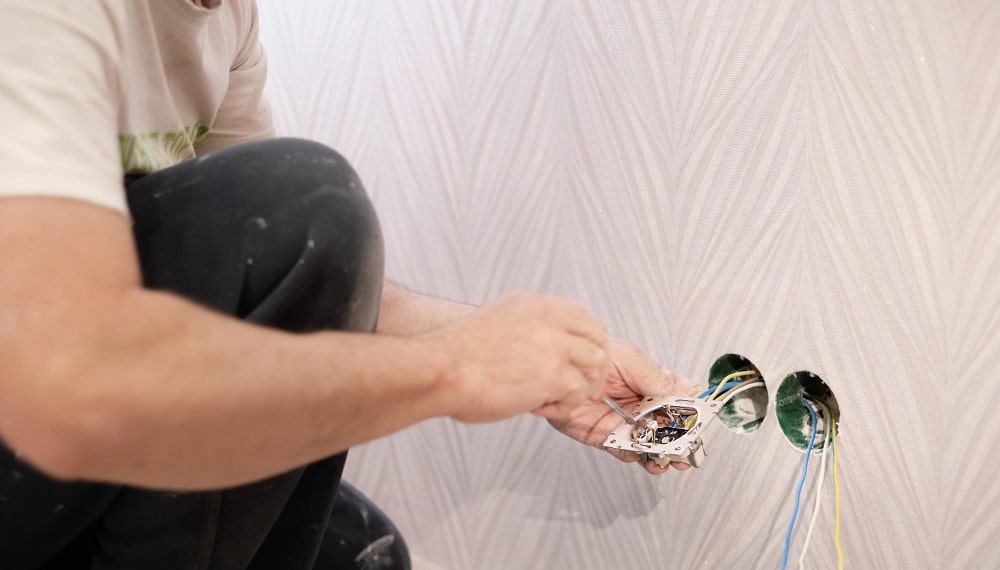
Beyond the legal requirement, there are genuine practical reasons why professional ceiling fan installation produces better outcomes. A licensed ceiling fan electrician assesses the structural adequacy of the mounting point, ensures the electrical circuit is appropriately rated, installs correctly (including proper earthing and connection), balances the fan for smooth, quiet operation, and tests everything before leaving the job. This comprehensive approach is what produces a fan that runs quietly and reliably for years, rather than one that wobbles, trips circuit breakers, or needs a revisit within months.
Hybrid Electrical’s team brings all of this expertise to every ceiling fan installation Adelaide-wide — whether it’s a single fan in a bedroom, a full-home installation in a new build, a commercial ceiling fan setup in a business premises, or a ceiling fan replacement on an existing unit that’s reached end of life. The team is fully licensed, properly insured, and committed to work that genuinely stands behind itself.
Conclusion
Ceiling fan installation in Adelaide is one of the smartest home comfort investments you can make — particularly given the city’s demanding summer climate and high electricity costs. As this guide has covered, the benefits go well beyond simply moving air: professional ceiling fan installation improves perceived comfort through the wind chill effect, reduces reliance on energy-hungry air conditioning, extends useful operation year-round through seasonal direction reversal, and adds genuine aesthetic value to a room when the right fan is chosen and installed correctly. From indoor residential ceiling fan installation to outdoor setups, ceiling fan replacement, and commercial ceiling fan applications, the difference between a professional job and a corner-cutting one shows up immediately in how the fan performs and continues to show up over the years in how reliably it operates.
If you’re ready to improve the airflow, ventilation, and comfort of your Adelaide home or business, Hybrid Electrical is the team to call. Our licensed electricians handle the full ceiling fan installation process — from sizing advice and product recommendations through to professional installation and commissioning — so you get a result that genuinely works, looks great, and lasts. Contact Hybrid Electrical today to book your ceiling fan installation in Adelaide and find out why so many local homeowners and businesses trust us to get it done right.
FAQs About Ceiling Fan Installation in Adelaide
1. Can I install a ceiling fan myself in Adelaide?
In Australia, electrical work — including ceiling fan installation — must be performed by a licensed electrician. This is a legal requirement, not a suggestion. Attempting to self-install a ceiling fan by connecting to your home’s wiring without a licence is illegal, voids your home insurance in the event of an electrical fault, and carries genuine safety risks. Hybrid Electrical makes professional ceiling fan installation in Adelaide straightforward and efficient — it’s genuinely not worth the risk of DIY.
2. How long does professional ceiling fan installation typically take?
A standard residential ceiling fan installation in an existing location with appropriate wiring already in place typically takes one to two hours. More complex installations — running new wiring, installing multiple fans, outdoor setups, or commercial ceiling fan installation — will take longer and are assessed on a case-by-case basis. Hybrid Electrical provides a clear timeframe estimate before any work begins so you can plan accordingly.
3. What’s the best ceiling fan size for my room?
Fan size is primarily determined by room size. As a general guide, fans with a 90–105cm blade span suit small rooms up to around 10 square metres (like a typical bedroom), 120–132cm spans work well for medium rooms from 10–25 square metres, and larger fans are appropriate for open-plan living areas or commercial spaces. Room height and ceiling type also influence the ideal setup. Hybrid Electrical’s team provides sizing recommendations as part of the consultation process for every ceiling fan installation.
4. What’s the difference between AC and DC motor ceiling fans?
AC (alternating current) motor fans are the traditional type and are widely available and generally reliable. DC (direct current) motor fans use advanced electronics to run significantly more efficiently — typically using fifty to seventy percent less energy than an equivalent AC fan — while also being quieter and offering more precise speed control. DC fans are generally more expensive upfront but are strongly recommended for bedrooms (due to their quiet operation) and for any location where the fan runs for extended periods, as the energy savings accumulate meaningfully over time.
5. How often should ceiling fans be serviced or replaced?
Quality ceiling fans in residential applications typically have a service life of fifteen to twenty years with minimal maintenance. The main maintenance task is periodic cleaning of the blades and motor housing, which prevents dust build-up from creating imbalance and noise. If a fan develops persistent wobbling, increasing noise, or intermittent operation issues, it’s worth having a licensed electrician assess whether the problem is fixable or whether ceiling fan replacement is the better path. Hybrid Electrical is happy to assess existing fans and provide an honest recommendation.