

Adelaide’s hot, dry summers and old houses make fire safety a top priority. The fire alarm installation in your home or business isn’t just a checkbox – it’s the difference between early warning and disaster. Think of it like putting on a seatbelt: no one expects a crash, but if you have protection, you’ll thank yourself later. In this guide, we’ll cover everything you need to know about installing smoke alarms and fire alarm systems in Adelaide. From understanding different alarm types to following South Australian regulations and expert tips for maintenance, we’ve got you covered. We even include local insights – after all, we’re Adelaide electricians who deal with these systems every day.
Fire alarms are your first line of defence against fire. They detect smoke or heat and alert you before flames spread. In South Australia, all homes must have working smoke alarms. This isn’t just good practice, it’s law (and fines up to $750 apply for non-compliance). But beyond meeting the letter of the law, a correctly installed fire alarm system can literally save lives. Fires often start slowly – a smouldering couch or electrical fault – and by the time you smell smoke, it might be too late. A well-placed alarm buys you precious seconds. In short, fire alarm installation in Adelaide is about protecting your property and the people in it, giving you peace of mind every time you turn off the lights at night.
Understanding Fire Alarm Systems and Smoke Detectors
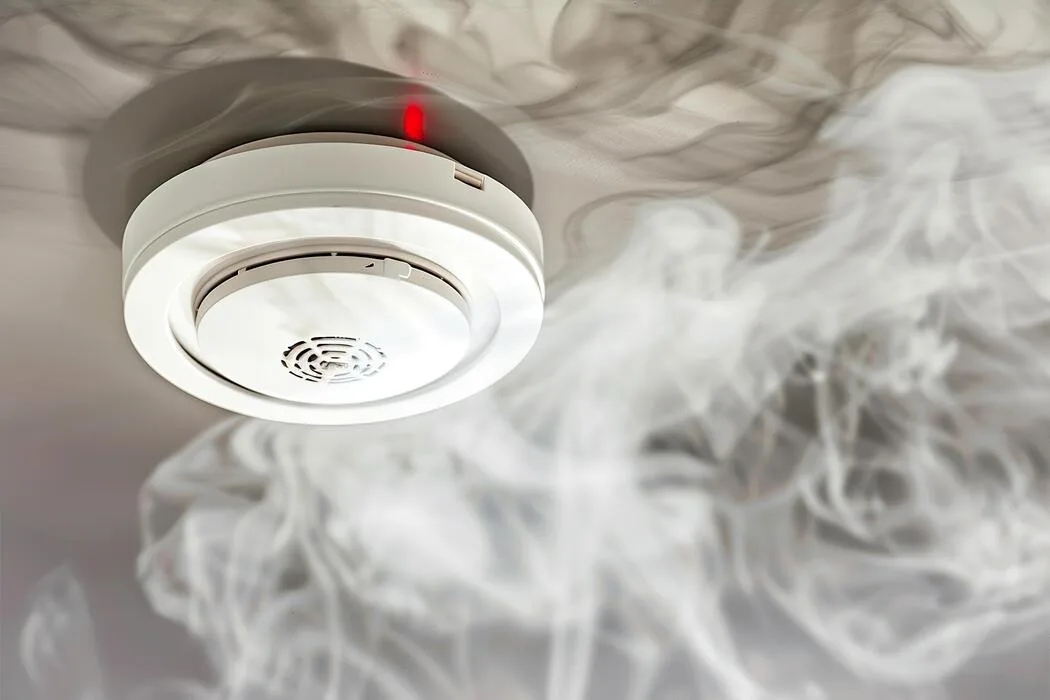
Not all alarms are created equal. There are smoke alarms (which detect smoke particles) and heat alarms (which detect rapid temperature rises), and they can be standalone or part of a larger fire alarm system. Modern fire alarm systems often include manual call points, strobe lights, and even sprinkler integration – especially in commercial settings. But for most Adelaide homes, the focus is on smoke detection.
There are two main types of smoke detectors: photoelectric (optical) and ionization. Photoelectric alarms excel at spotting slow, smouldering fires (think furniture or cables burning), while ionization alarms react quickly to fast-flaming fires (like a grease fire). Ideally, a home should use both or, better yet, photoelectric detectors with fast response times. In fact, Australian fire safety experts recommend photoelectric alarms as the safer choice for homes (they’re less prone to kitchen false-alarms).
Also consider how the alarms power themselves. Hardwired smoke alarms connect to your home’s 240V supply (with backup batteries) – these are common in newer builds. Battery-powered alarms are easier to install but need regular battery changes. A modern trend is wireless or interconnected alarms: if one alarm senses trouble, all alarms in the home go off simultaneously. This interconnection is now standard in new Adelaide homes. For example, if a detector in the garage trips, it triggers bedroom alarms too – giving you and your family time to wake up and evacuate from anywhere in the house.
Throughout this guide, keep in mind that a fire alarm system is only as good as its design and installation. Even the most advanced detector won’t help if it’s in the wrong spot. We’ll dive into placement tips and installation steps below. For now, remember: smoke alarms should go on every level of your home, outside each sleeping area and in living spaces. Avoid corners or dead-air zones. An experienced installer knows that placement is crucial – a detector too close to the kitchen or bathroom can give false alarms, while one hidden by a beam might miss smoke altogether.
Residential vs Commercial Fire Alarms in Adelaide
Fire alarm installation needs differ between a family home and a business. In houses (Class 1 buildings), requirements focus on smoke alarms for sleeping areas and living spaces. In apartments or shared housing (Class 2 or 3), interconnecting alarms are mandatory when more than one is present.
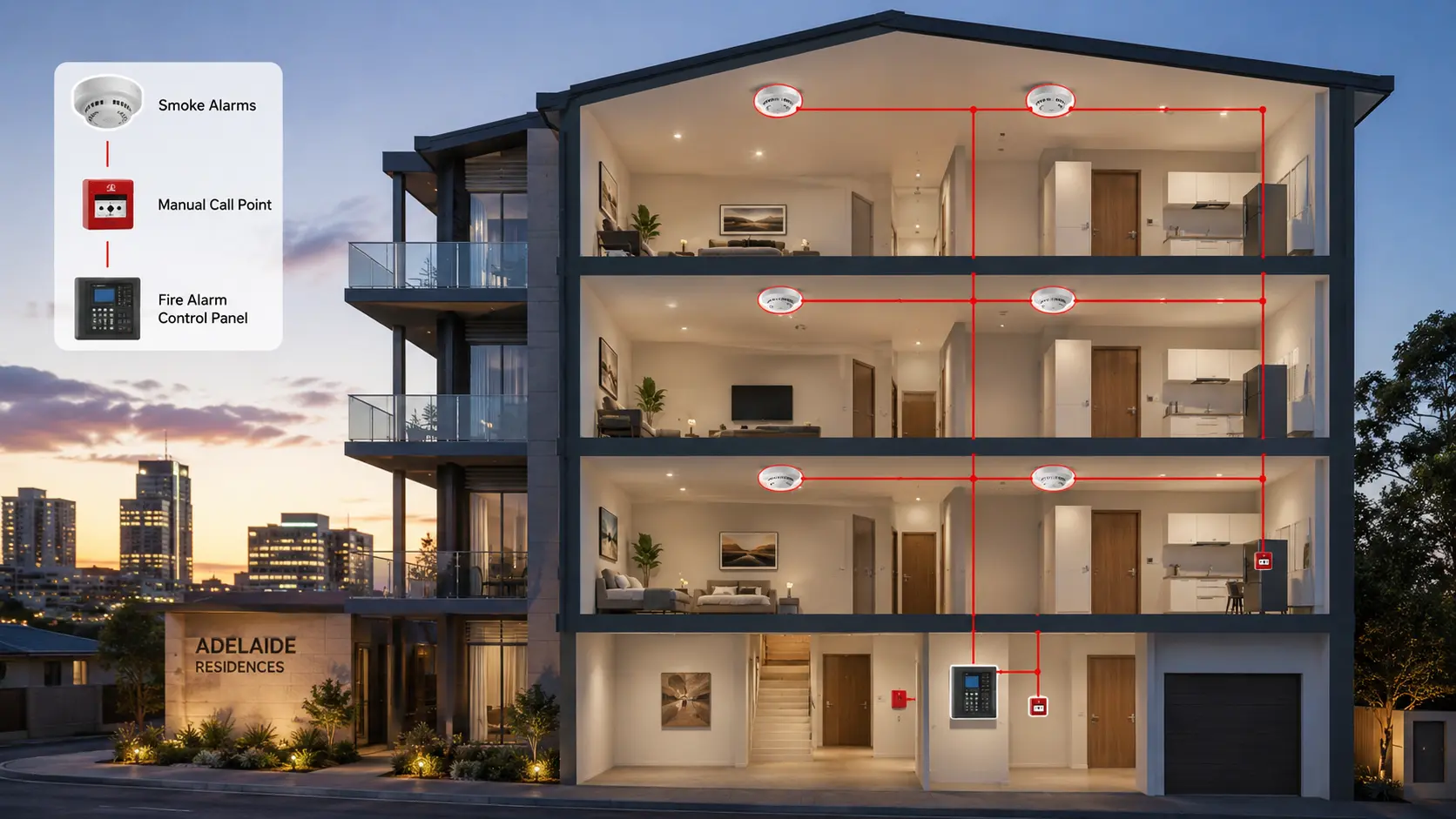
By contrast, commercial fire alarms (for offices, shops, warehouses, etc.) are usually part of a full fire safety system. These systems often include multiple smoke detectors, heat detectors, manual call points (break-glass alarms), sounders, and even interface with sprinklers or emergency lighting. They must comply with the Building Code and standards like AS 1670, AS 4428, etc. If your business has 12 or more people on-site, a higher-grade alarm system is typically required.
Hybrid Electrical installs both residential fire alarms and commercial fire alarms. For homes, we focus on smart smoke alarms – battery or hardwired, interconnected for instant full-house alerts. For businesses, we design complete fire detection systems. For example, a cafe might have smoke alarms in the kitchen and dining area plus a connection to a monitored emergency alarm system (which calls the fire brigade if tripped).
Whether home or commercial, every alarm system needs regular fire alarm inspections and maintenance. Businesses often have schedules mandated for testing and servicing. We help with those too, offering electrical safety services to keep your system compliant and functional year-round.
In short, whatever your property type, property fire safety should be approached holistically. Detectors and alarms are one part of fire safety systems – alongside extinguishers, escape plans, and safe electrical practices. But they’re the foundation: when properly installed and maintained, they dramatically cut the risk of injury or damage.
South Australia Regulations and Compliance
In Adelaide (and across SA), fire alarm rules are strict for a reason. Legally, every home must have working smoke alarms. Specifically, South Australian regulations require that smoke alarms comply with Australian Standard AS 3786. If your house was approved after Jan 1, 1995, those alarms must be hardwired to 240V with battery backup. If older, at least battery units are mandatory unless ownership just changed – in which case the new owner has six months to install hardwired or 10-year battery alarms.
Since May 2014, all new or renovated homes in SA must have interconnected alarms. That means one detector’s alarm triggers every other connected alarm in the house. New duplexes and apartments follow the same rule. The rationale is simple: if a fire starts in one room, the sound reaches the whole property.
Non-compliance isn’t just risky, it’s costly. In SA, failing to meet smoke alarm standards can incur fines (up to $750). More importantly, insurance claims after a fire could be jeopardised if you hadn’t installed legally required alarms. On the other hand, getting compliant not only avoids penalties but genuinely improves safety.
For ultimate compliance, we recommend working with a licensed Adelaide electrician. They know the code and will ensure your fire alarm installation meets all requirements. We’ll place alarms in the correct locations (every bedroom and hallway), use the right type (photoelectric 10-year battery or mains, as required), and link them properly. Remember, the SA government site clearly states that homeowners and landlords are responsible for proper installation. You can (and should) rely on experts to handle it.
The Fire Alarm Installation Process
Installing a fire alarm system is more than just screwing a smoke detector to the ceiling. Professional fire alarm installation follows a step-by-step process to ensure maximum coverage and reliability. Here’s what to expect when you work with experienced Adelaide electricians:
- Safety Assessment: We walk through your home or office to identify risk areas. We check room layouts, ceiling heights, and potential fire hazards (like kitchens or heaters). This assessment tells us how many alarms you need and where to put them for the earliest detection.
- Selecting the System: Based on the assessment, we pick the appropriate devices – hardwired photoelectric smoke alarms for bedrooms, heat detectors for kitchens or garages, and any extra gadgets (e.g. strobe lights, horn sounders for accessibility, or emergency alarm systems integration). For example, if you have a new build, AS 3786 demands mains-powered alarms. Older homes might use 10-year sealed battery alarms.
- Installation: Our qualified electricians install the devices in the optimal spots. We drill and wire if needed, run cables neatly through walls or attics, and mount detectors exactly where standards dictate (on the ceiling or high on walls). We avoid dead-air corners and keep units at least 300mm from lights or fans. During this phase, we also interconnect devices – hardwiring together or programming wireless links – so that a single alert triggers them all.
- Testing & Compliance Checks: Once installed, we thoroughly test every alarm. We make sure each smoke detector actually goes off and that interconnected units all respond. We also verify power backups and that the system meets SA regulations. Our goal is that your fire alarm system isn’t just installed – it’s optimised for safety.
- Maintenance & Handover: Good installers also explain the system. We teach you how to test the alarms, change batteries (if any), and what to do if you hear the test beep. Many companies, including ours, offer ongoing maintenance plans. As Hybrid Electrical notes, ongoing testing and maintenance keep your system functional. We can schedule annual inspections to replace old units or upgrade alarms to new standards.
Our licensed electricians handle everything from assessment to testing. Above, an electrician is preparing an electrical panel that may be linked to a commercial fire alarm system.
By following these steps, you ensure a reliable fire alarm installation that complies with all laws and gives true protection. A half-hearted DIY job might skip planning or interconnection, leaving gaps in coverage – which is why professional installation is strongly recommended.
Choosing and Maintaining the Right System
Once your alarms are up, keeping them working matters just as much as the initial install. Here are some tips and considerations to get the most out of your fire alarm system in Adelaide:
- Hardwired vs Wireless: If you’re renovating or building new, hardwired alarms (with battery backup) are robust and meet building codes. But if you have an existing home without rewiring, wireless alarms are great. They talk to each other via radio signals and can be battery-operated. Either way, pick alarms with the 10-year non-replaceable battery as mandated for some home approvals.
- Smoke Alarm Upgrades: If your alarms are over 10 years old, it’s time to replace them. Even if they seem fine, sensors degrade with age. Upgrading to the latest models ensures compliance and reliability. For example, many households are moving to photoelectric 10-year battery units now required by new laws.
- Regular Maintenance: Test your alarms monthly using the test button. This simple step is crucial: a single failing alarm could cost lives. Replace batteries yearly (if not 10-year sealed) or sooner if the alarm starts chirping. Vacuum dust off the units every six months – insects and debris can cause false alarms or sensor failure. Keeping units clean and powered is part of a good fire alarm maintenance routine.
- Professional Inspections: We strongly recommend having a professional check your system every year or two. Fire alarm inspections can catch problems you miss – like corroded wiring or a unit nearing the end of its life. As Adelaide standards demand, a property owner must ensure the “appropriate number of working smoke alarms”. An expert can advise if your system is still up to code, especially if your home has been renovated.
- Interconnected Systems: If you have more than one alarm, make sure they’re interconnected (either by wiring or wireless link). This is a legal requirement in new dwellings and highly advisable everywhere. Interconnected alarms ensure the fastest possible warning to everyone in the building, not just in one room.
- Electrical Safety Services: Remember, fire alarms are electrical devices. It’s smart to have your electrician check your overall electrical safety too. Old wiring, overloaded circuits, or unprotected outlets can start fires. By investing in full electrical safety services (switchboard upgrades, surge protection, etc.), you reduce fire risk at the source. A comprehensive approach is the best home fire protection strategy.
By staying on top of maintenance and upgrades, your fire alarm installation will keep protecting you for years. In short, install the right system today, and maintain it regularly – and you’ll have a safety net that lasts.
Advanced Technology and Upgrades
Technology is giving us new tools in the fight against fire. Smart smoke detectors are the next big thing in Adelaide homes. These Wi-Fi-connected alarms send alerts to your smartphone if they detect smoke or carbon monoxide, even when you’re away. Imagine getting a text from your alarm system while you’re at work, warning you of a potential fire at home – that’s serious peace of mind for modern, busy households.
Many young professionals are also integrating fire alarms into their home automation. For instance, a triggered alarm could automatically turn on lights, unlock smart locks, or shut down a hot stove via smart switches. These features might sound futuristic, but they’re increasingly affordable. Hybrid Electrical can install alarms compatible with smart hubs like Google Home or Alexa.
Other upgrades to consider: Emergency alarm systems. In some apartment buildings, individual fire alarms tie into a building-wide system with sirens and strobe lights. If you’re in a multi-story building or considering subdividing a property, professional advice is a must to meet regulations and ensure proper coverage.
Finally, look for alarms with extra safety features. Some alarms have carbon monoxide (CO) detection built-in, or they link to medical alert systems for the elderly or disabled. By choosing modern interconnected alarms, you stay on top of evolving safety standards. And remember, a small investment in an upgrade (like moving from a stand-alone unit to a networked system) can make a huge difference in an emergency scenario.
Expert Fire Safety Tips for Adelaide Homes
Here are some expert tips and analogies to keep your fire alarm system (and your home) in top shape:
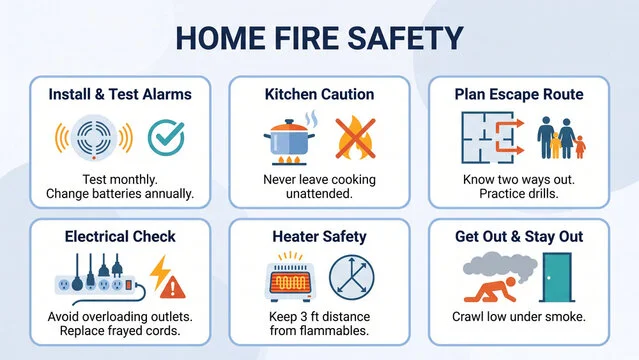
- Don’t Put All Your Eggs in One Basket: One alarm is better than none, but not enough. Install alarms in every bedroom and at least one on each level. Fires can start anywhere (even in your own bedroom!). Think of detectors as security cameras for smoke – you need enough angles to cover all rooms.
- Avoid False Alarms: Most false alarms happen when alarms are poorly placed. Keep detectors at least one meter from kitchen appliances and bathrooms to avoid cooking steam or humidity triggers. If your alarms go off often during cooking, consider moving it or using a heat alarm in the kitchen instead.
- Testing is your Best Friend: Yes, weekly or monthly testing is annoying – but it’s cheap insurance. Press the test button and actually listen for the horn. If one alarm doesn’t sound, call an electrician immediately. Many fire departments report fatalities when homes had inoperable alarms.
- Smoke Detector Replacement: Remember the 10-year rule: no smoke alarm is expected to last longer than a decade. An old alarm might still “work” (sound a chirp), but the sensor might be dulled. When an alarm ages, replace it rather than risk failure in a fire.
- Plan Your Escape: An alarm is only effective if you act on it. Pair your fire alarm installation with an emergency plan. Draw an escape map, show family or roommates how to exit, and designate a meeting spot. Practice it occasionally – that way, when the beeps start, everyone knows exactly what to do.
- Stay Informed on Upgrades: Australian laws on smoke alarms have changed recently (for example, from Jan 2022, all new alarms must be photoelectric) and more updates are coming (like mandated interconnected alarms nationwide by 2027). Keep an eye on official sources (see the SA government and fire service guides) to know when it’s time for a system upgrade.
- Call the Professionals: Even the best-laid DIY plan can miss key details. For example, electricians will test power failure scenarios, ensure wiring is safe, and register your alarm system if needed. They know how to do smoke detector installation per Code and can offer warranties on their work. When safety is on the line, expert help is definitely worth it.
Combining these tips with a solid installed system means you’ll sleep easier. We’ve seen too many homeowners underestimate the simple power of a working alarm. Protecting your family and property is not expensive – in fact, it’s one of the highest ROI home safety upgrades you can make. A little humor: think of your alarms like Wi-Fi – you don’t see them, but you sure know when they’re gone. Keep them active, and you’ll stay connected to safety.
Conclusion
Fire alarm installation in Adelaide is not just about ticking a compliance box – it’s about real-world safety. Throughout this guide, we’ve covered how modern fire alarm systems work, the differences between residential and commercial setups, and the specific rules that apply here in South Australia. We’ve shown that proper placement, interconnection, and maintenance are critical. By choosing the right alarms (photoelectric 10-year battery or hardwired units) and having them installed by pros, you transform your home or business from “just another property” into a safe haven with an always-on early warning system. In short, the key takeaways are: install the correct number and type of alarms, comply with SA regulations, and maintain them diligently. These steps give you peace of mind and may save lives.
Safety shouldn’t be left to chance. If you’re in Adelaide and want expert advice or a full installation, contact Hybrid Electrical today. We’re Adelaide electricians who specialize in fire alarm installation and all things electrical safety. Our team can quickly assess your property, recommend a tailor-made fire detection system, and handle the entire install professionally. Whether it’s a single smoke alarm upgrade or a comprehensive commercial fire alarm system, we have the expertise. Don’t wait until your next smoke test shows a dead battery – reach out now. Call us or book a quote, and let’s make sure your home or business is truly protected. Because when it comes to fire, cutting corners is too dangerous – but doing it right makes all the difference.
Frequently Asked Questions
1. What does a fire alarm installation involve?
A fire alarm installation typically means placing smoke or heat detectors in key locations of your home or building, wiring them (if hardwired), and setting up any interconnections. A qualified electrician will survey your layout, select compliant alarms, and then install them for maximum coverage. It also includes testing the system and showing you how to maintain it.
2. How often should fire alarms and smoke detectors be checked or replaced?
Most smoke alarms should be replaced every 10 years, even if they seem fine, because the sensors can lose sensitivity over time. In between, you should test alarms at least monthly. For battery-powered units, replace the batteries yearly or whenever the low-battery chirp sounds. Some alarms have sealed 10-year batteries so you just replace the whole unit once a decade. Regular fire alarm maintenance (testing, cleaning, inspecting) is the only way to ensure your system works when needed.
3. Are interconnected smoke alarms really necessary?
Yes. Interconnected alarms are much safer than standalone units. If any one detector senses smoke, it instantly triggers all alarms in the network. This widespread alert is especially important in multi-level homes or large spaces, where a fire might start far from your bedroom. Australian law in new homes requires interconnection, and it’s wise everywhere. Think of it like having multiple fire watchers who all sound the alarm together.
4. Can I install smoke alarms myself, or do I need an electrician?
While DIY kits are available, professional installation is recommended. Electricians ensure the alarms meet Australian standards and are placed optimally. They’ll handle the hardwiring safely, program any wireless links, and check compliance. Plus, a pro can integrate your alarms with other systems (like building emergency panels) and give you a warranty on work. For peace of mind and full legal compliance, hiring a licensed Adelaide electrician is the best approach.
5. How do I know if my current fire alarm system is compliant in Adelaide?
Check a few things: your smoke alarms should be photoelectric or ionization units less than 10 years old, and either hardwired (with battery backup) or sealed 10-year battery models. You need one on each level and outside sleeping areas. If you have more than one alarm, they should be interconnected. If you’re not sure, it’s easy to have your system inspected by a fire safety professional. We can perform a compliance check – for example, the SA government requires working alarms in every home – and recommend any upgrades. This way, you stay safe and avoid any legal fines or insurance hassles.
6. What is the difference between smoke alarm installation and smoke detector installation?
The terms are often used interchangeably. However, smoke alarm installation usually refers to standalone alarm devices, while smoke detector installation can refer to detectors connected to larger fire alarm systems.
7. When should smoke detector replacement be considered?
Most alarms have a recommended service life provided by the manufacturer. If devices are ageing, malfunctioning, or no longer meet current requirements, smoke detector replacement should be arranged promptly.
8. Why should I hire Adelaide electricians for Fire Alarm Installation?
Professional Adelaide electricians understand compliance requirements, proper alarm placement, system testing procedures, and safety standards. Their expertise helps ensure the installation performs correctly and provides reliable long-term protection.