

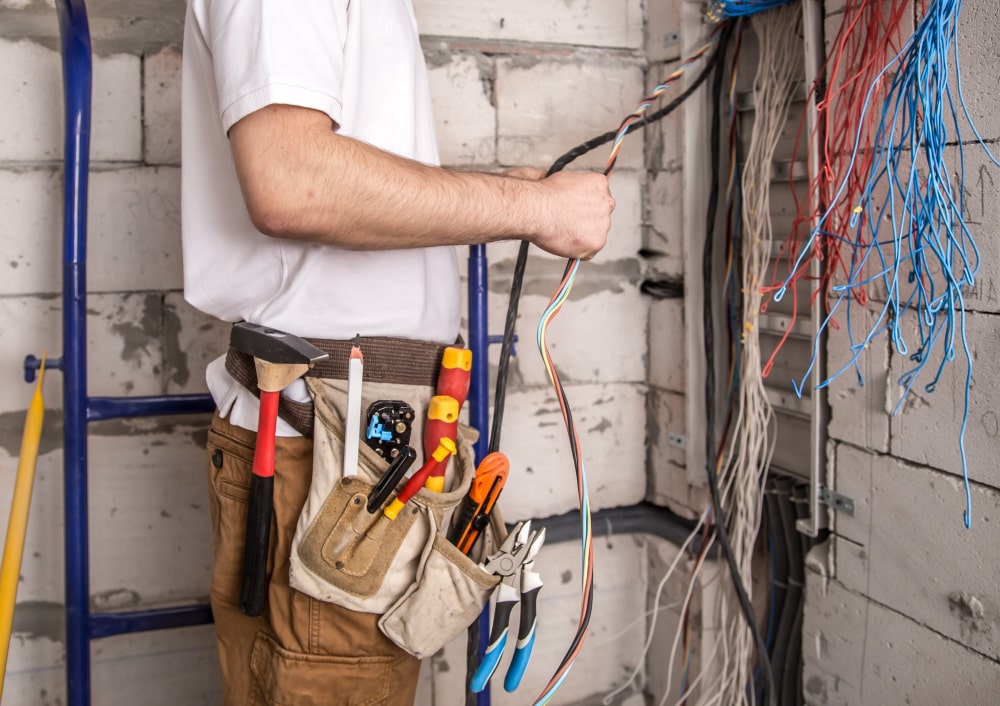
Ever tried juggling chargers and power boards just to keep your laptop, phone and coffee machine all plugged in? If you live in Adelaide, you’ve probably heard the phrase “we need more power points” more times than you can count. In this guide, I’ll walk you through everything you need to know about electrical outlet installation in Adelaide. I’ll share tips from our local hybrid electrical pros – from staying safe to choosing the right outlets for your home. Trust me, doing it safely and legally (with a licenced sparkie) means you can binge your favourite shows or charge all your gadgets without a single fuse blowing.
Electricity might sound dull, but installing an outlet is no place for “she’ll be right” thinking. Even DIY-savvy Aussies know that wiring is serious business. One tiny mistake can cause shocks, fires or void your insurance. And yes, it’s also illegal to DIY or have an unlicensed tradie tinker with power points. In Adelaide (and all of SA), only licenced and registered electricians can legally install, move or replace outlets. So as you read on, picture a safe, compliant job done by a pro who knows the ins and outs of SA rules – that’s the Hybrid Electrical way.
Why Professional Installation Matters
You might wonder, “How hard can it be to swap a socket or add a plug?” (Many of us have tried the old trick of barely-fixing it with tape or monkeying around a fuse box, right?). But here’s the rub: even a simple power point has live wires at 240 volts, and that extra socket ties into your whole house’s electrical system. Get it wrong, and you could face electric shock, fires or trips – plus your home insurance could well reject any claim.
Licensed electricians in Adelaide undergo years of training (and even a police check) to handle this safely. We know how to balance circuits, size cables, and properly earth everything. For example, the SA Technical Regulator reminds us that “all electrical work must be certified as compliant” by a licensed pro – and that’s no joke. After an install, they issue an official Certificate of Compliance (an eCoC) so you can rest easy knowing your new outlet meets standards.
Let me put it this way: electrical work without a licence is illegal and downright dangerous. A bit of black humor here – you wouldn’t casually play with the brake lines on your car, right? Electrical cables are the “nerves” of your home, and cutting corners can hurt you. Licensed sparkies carry insurance, use proper parts (with the Aussie RCM safety tick), and hand over a guarantee that your outlet is safe and sound. So, it matters because it’s about your and your family’s safety, and peace of mind that everything’s done “by the book”.
Types of Outlets: From Standard Sockets to USB Power Points
Before the screwdriver hits the wall, it pays to know what kind of outlet you need. Australia (and Adelaide) might use the universal Type I plug shape, but outlets come in flavors. Let’s break down a few:
- Standard 3-Pin Outlets (Power Points): The everyday workhorse. Typically 10A or 20A circuits, these have the triangular prong holes you’re used to. They come as single or double switches (1-gang, 2-gang, etc) and usually include those built-in safety shutters required by AS/NZS3112, which block kids from poking objects into live holes. Even if you have two sockets side by side (like many in modern homes), they function like one gang with two plugs.
- Power Point Upgrades – Double Sockets & Special Outlets: When you say “power point upgrade,” you might mean adding more than one outlet together (like installing a double or triple gang plate). We also see “switched” outlets for specific needs (e.g. ovens or fridges often have a switch). And there are heavy-duty GPOs for things like EV chargers or electric cooktops (these look different and connect to 32A or higher circuits).
- USB Power Points: A modern must-have. Instead of fumbling for USB adaptors, these sockets integrate USB-A (and sometimes USB-C) ports right alongside the standard outlets. They keep walls clutter-free and usually charge faster than older charger blocks. They’re great in home offices or living rooms so you can plug devices directly without an adapter. Just make sure your electrician fits one that meets Australian standards – many cheap ones online aren’t RCM-certified.
- Outdoor and Weatherproof Outlets: Adelaide backyards, patios and outdoor kitchens need special gear. Weatherproof power points (with protective covers) are made to withstand rain and dust. These GPOs often sit in enclosure boxes and have an IP rating (like IPX4) so that a summer storm won’t short them out. If you need an outdoor socket (say, for power tools or landscape lighting), get a licenced electrician to run an outdoor cable and install a weather-sealed outlet – it’s not something to dangle off an extension reel in the rain!
- Specialty Outlets: Think USB, smart (Wi-Fi controllable), timer, or even shaver sockets in bathrooms. Each has its quirks – shaver outlets are low-voltage, for instance – but broadly they follow similar safety rules. If you’re eyeing a smart outlet or a trendy new design, an electrician can advise on compatibility and safety. For example, wall outlet installations in kitchens might need RCD and GFCI protection, or outlets near sinks must respect “dry zone” clearances (more on that soon).
In short, whether it’s the classic electrical socket installation or something high-tech, the electrician matches the outlet type to your needs and code requirements. You might say the outlet plate is the face of your electrical system, and installing it properly is the backbone of safe power usage.
Planning Your Electrical Outlet Installation
A little planning goes a long way – like a home DIY before we break out the toolbox. Here’s what to think about before calling in the electrician:
- Location & Purpose: Figure out where you need power and why. A study needs extra outlets for laptops and lamps, a garage might need sockets for tools, and your kitchen benchtop could use a USB outlet for charging phones. Also consider spacing: modern homes often have GPOs above benches in the kitchen, and at least one on each wall in living areas. Outlets should generally be within reachable height (~300–500mm above floor), but not too close to potential hazards (no sockets too near showerheads, for example).
- Wet Zones and Safety: In Adelaide’s sunny climate we love our bathrooms and laundries, but the wiring rules around water are strict. Australian Standard AS/NZS 3000 defines “wet zones” – for instance, in a bathroom you can’t put a standard socket within 300mm horizontally of a basin or bathtub. If you do need a socket in a “Wet Zone 2” (a bit further from water), it must be RCD-protected and typically with an IPX4-rated cover or in a cupboard. Building inspectors commonly find sockets too close to sinks or showers without proper protection, so we’ll make sure to obey those clearances. Essentially, any outlet near water needs extra safeguards.
- Circuit & Load Considerations: An electrician will look at your switchboard (fusebox) to determine if there’s capacity. You don’t want to overload a circuit. For example, Adelaide homes built decades ago might only have one “kitchen circuit” at 10A. If you start adding multiple outlets or a new appliance, you might need a second circuit or an RCD. We often upgrade switchboards to add space for new breakers. In short, think ahead: if you’re installing a new power point a long distance from the board, it might use more wiring (and cost more), so plan all additions at once.
- Future-Proofing: Your power needs are likely to grow. Installing extra power points when doing renovations is smart. It avoids the hassle of chasing new cables later. For instance, outlets for EV chargers, solar or battery systems can add loads. Plan placement for today’s gadgets and tomorrow’s – maybe an outlet near the garage corner if you plan to pop an EV charger. Asking “Do I want more power points later?” means electricians can pre-wire for flexibility now.
- Compliance and Certification: Lastly, every new outlet in Adelaide must follow AS/NZS standards (the national wiring rules) and local regulations. That means the outlets, cables, and protective devices (like circuit breakers and RCDs) are all up to code. The electrician will not only install, but also test and inspect. After the job, they’ll issue an official Certificate of Compliance (COC). Think of it like a safety certificate that tells you and future buyers “Yes, this outlet was installed correctly.” It’s required by law, so plan to get one as part of the job.
Quick mini-summary: Plan where each outlet goes, know the electrical load, respect dry zones near water, and remember you will need a COC from a licensed electrician. Proper planning saves headaches (and sparks) down the track.
Installation Steps: What to Expect
Ever wondered what actually happens when an electrician installs a new outlet? Here’s a Q&A style rundown – it’s simpler than it sounds, but every step matters.
Q: How does an electrician safely set up a new power point? They start by turning off the power at the switchboard to isolate the circuit (safety first!). Then, they’ll determine where to mount the outlet box (in-wall or surface box) and mark the wall. With your direction, the journo runs the cable from the switchboard or an existing point. The new wiring will have live (active), neutral and earth wires. The electrician carefully strips the cable and connects each conductor to the corresponding terminal on the outlet. In Australia, outlets must have the earth (ground) securely attached; skipping it would violate AS/NZS 3000 and is dangerous.
After wiring, they push the outlet into place (often a gang box) and secure the faceplate neatly. Crucially, before re-energising, they test everything. A multimeter or special tester checks that live-neutral orientation is correct and earth continuity is intact. They’ll also ensure the circuit’s protective devices (like the breaker or RCD) are functioning. Often, the installer will test the RCD (safety switch) to confirm it trips properly with the new load.
Finally, the pro labels the circuit and writes up the job. Then the electrics go back on. At this point, the electrician performs live tests to ensure the outlet is delivering power safely (and not blowing breakers!). Finally, they hand over your Certificate of Compliance. All done.
This process isn’t a quick DIY pop-out. It’s a carefully choreographed routine, like a chef following a recipe – except the outcome is safe electricity instead of dinner. Each step prevents problems: isolating power stops shocks, correct wiring avoids flickers or fires, and testing confirms peace-of-mind.
To make that workflow clearer, here’s a brief list of the typical steps (done by your licenced sparkie, of course):
- Turn off and isolate the correct circuit at the switchboard.
- Install or cut an opening for the outlet gang box at the chosen location.
- Pull cable from the switchboard (or nearest outlet) to the new location, choosing the correct type (e.g. 1.5mm² twin & earth for a 10A circuit, or 2.5mm² for 20A, as needed).
- Connect the live (hot), neutral and earth wires to the outlet terminals following polarity rules.
- Secure the outlet to the wall, fitting the cover plate flush and tidy.
- Turn power back on and test the outlet under load, verifying RCD protection and that the correct amount of current flows.
- Issue a Certificate of Compliance and explain the work done to the homeowner.
This list gives you the barebones peek under the hood. Each bullet is a whole procedure in itself (especially testing – which includes verifying all earths, testing the safety switch, and more). And yes, the electrician basically writes down this checklist and signs off legally on it.
One more thing: DIY alert. Even the Queensland electrical safety office bluntly says you cannot install a safety switch (or anything electrical beyond plug-in lamps) yourself – only licensed electricians. The same goes for outlets. If you tinker without a licence, not only is it illegal, but it can cost lives or void insurance.
Upgrading, Replacing and Adding Outlets
So you’ve lived with the same boring outlet since 1985, or maybe you just moved into a 60-year-old Adelaide villa. It’s dusty, yellowed, or fewer than a twin socket. Time for an upgrade! Here are common scenarios where you might call Hybrid Electrical:
Outlet Replacement:
Cracked faceplate? Flickery socket? Maybe your walls weren’t using Australian standard outlets. Replacing an old socket (electrical outlet replacement) is often a quick win for both safety and style. We swap in a fresh, modern outlet (maybe with USB ports), secure earth connections and ensure it clicks properly on the wall. It’s a bit like changing an old ceiling fan to a modern one: same wire, new hardware. But again, an electrician must turn off power and do it properly. One common tip: always replace both outlets on a double-gang or upgrade to a two-gang faceplate if doing multiple.
Additional Power Points:
You need more sockets – who doesn’t? We often add outlets in living rooms (for TV consoles and game rigs), bedrooms (for office equipment), and outdoor areas (for garden lighting or an outdoor fridge). Each new power point goes on a circuit. If your circuit is nearly maxed out, we’ll propose adding a new branch circuit or RCD for safety. It’s kind of like adding new branches to a tree without overloading the stump. We’ll find space in your switchboard and run new cable to the chosen spots.
Power Point Upgrades:
Want to modernise? Maybe try a double GPO where you had a single, or replace one socket with a combination USB/socket outlet. USB power point installation is especially popular – it charges phones at max speed and clears clutter. Another upgrade is childproof socket inserts or tamper-resistant outlets (optional since standard shutters exist). Some homeowners even choose “decorative” faceplates or LED night lights built into sockets. The electrician can install any licensed variant.
Switchboard and Circuit Upgrades:
Sometimes a new outlet reveals that your switchboard is old or full. Upgrading a switchboard isn’t strictly “outlet installation,” but it’s often part of adding multiple outlets. We might replace an outdated consumer unit with a new one, adding RCDs and spare breakers. This ensures each new power point (and your whole home) is up to modern safety codes.
Special Projects:
Think built-in microwaves, water pumps, EV chargers, or even a wall oven’s outlet (yes, wall ovens need special high-power outlets). These can involve upgraded outlets, bigger cables, and professional coordination. If you’re, say, planning an EV charger in Adelaide, the electric vehicle charger outlet often needs a dedicated 32A circuit and sometimes a socket that looks more like an industrial plug. We handle all that planning.
No matter what, the principle is: plan with the future in mind. If you’re adding outlets, consider what appliances will use them. Will an air conditioner or power tool be nearby? Each heavy load might need its own circuit. And if you’re just refreshing your home’s look, consider installing weatherproof covers outside and USB sockets inside for convenience.
Bonus Tip: Always discuss future needs with the electrician. If you’re renovating (kitchens, studies, workshops, etc.), it’s cheaper to run extra cables now than later. Think: “Will I ever use smart lights, or that extra home office desk, or a second fridge?” Then just ask Hybrid Electrical to run a spare cable or place a blank conduit.
Ensuring Safety and Compliance
At the end of the day, what matters most is that your new power point is safe, reliable and legal. Australia’s electrical safety standards (AS/NZS 3000 – the Wiring Rules) are famously thorough. Here are a few key takeaways to keep in mind:
Safety Switches (RCDs):
By law, almost every power point circuit in modern homes needs RCD protection. In fact, since the early 1990s, safety switches have been compulsory on all general power point circuits in new Australian homes. In practice, that means if you’re installing or moving any socket, it should be on a circuit with an RCD (a big switch on your board labeled “test”). This device cuts power instantly if a fault occurs, protecting against deadly electric shocks. When we install outlets, we double-check the safety switch works and covers that circuit, especially if it’s for outdoor use, bathrooms, laundry, or anywhere water could be around.
Earthing and Bonding:
Australian outlets must have a proper earth connection. That thick green/yellow wire loops back to earth rods or the service neutral; it’s your first defense against shock. Additionally, all metal parts (like metal switch boxes, tapware, pipes) need “bonding” – tied together electrically – so there are no stray voltages. Messing with earthing is not DIY! A licensed electrician will ensure every new outlet is correctly earthed. (This prevents that scary tingle if you touch a metal outlet cover while standing barefoot on a cold tile in winter.)
Certification and Testing:
After installation, the electrician tests everything. That means confirming polarity (live/neutral aren’t swapped), verifying load capacity, and confirming the earth leakage device functions. You should get documentation showing this. In South Australia, an Electrical Work Certificate (Certificate of Compliance, or “COC”) is legally required for any new or altered outlet. Keep that certificate safe – it’s proof that a licensed pro did the job.
Product Compliance (RCM):
All outlet hardware (sockets, switches, boards) used must carry the Australian RCM stamp. This mark means the product meets strict safety standards. It’s mandated by the EESS system, enforced by the Office of Technical Regulator in SA. Why does it matter? Using RCM-approved outlets and components guarantees they won’t short-out or fail unexpectedly. In short: buy sockets from reputable Aussie suppliers, or have your electrician supply them. Unbranded cheapies from overseas are a no-go.
Electrical Licenses in SA:
The law in South Australia is clear – any electrical installation work (that’s installing, altering, or repairing electrical outlets, among other things) must be done by a licensed and registered electrician. There are hefty penalties for non-compliance. In fact, the Office of the Technical Regulator (OTR) insists on licensure because it’s about protecting people. So make sure you ask to see your electrician’s card or licence number before work begins. (You can even verify it online on SA’s licensing site.) When in doubt, if someone offers to install outlets and isn’t licensed, tell them “sorry, not interested”.
Local Inspections:
While most home jobs don’t get routine inspection in SA, the potential for an audit always exists. That’s why we keep records and make sure every outlet installed is bulletproof. If an inspector knocks someday, you’ll be safe.
In essence, the safety and compliance aspect is like the foundation of a house – you only get one chance to lay it right. Cutting corners here is like building on sand; everything else can crumble. Following these rules (and having the certificate to prove it) keeps your family safe and your home sound, letting you use your outlets without worry.
Conclusion
Electrical Outlet Installation plays a vital role in creating safe, practical, and future-ready homes and businesses throughout Adelaide. From simple power point installation projects to comprehensive electrical upgrades, professionally installed outlets improve convenience, support modern technology, and help maintain compliance with Australian safety standards. Whether you’re adding additional power points, upgrading ageing outlets, or planning a renovation, the right installation can make everyday life significantly easier.
If you’re considering Electrical Outlet Installation for your Adelaide property, the team at Hybrid Electrical is ready to help. Our experienced electricians deliver safe, reliable, and professional solutions tailored to your specific needs. Contact Hybrid Electrical today to discuss your project and discover how expertly installed power outlets can improve the functionality, safety, and convenience of your home or business.
Frequently Asked Questions
1. How long does Electrical Outlet Installation take?
The time required depends on the complexity of the project, outlet locations, and the condition of the existing electrical system. Simple installations may be completed relatively quickly, while larger projects involving multiple outlets or upgrades require additional planning and testing.
2. Can I install electrical outlets myself?
Electrical work in Australia should be carried out by appropriately licensed professionals. Electrical Outlet Installation involves safety requirements, compliance obligations, and technical expertise that make professional installation essential.
3. When should I consider electrical outlet replacement?
If outlets are damaged, outdated, loose, discoloured, or no longer function correctly, electrical outlet replacement may be necessary. Replacing ageing outlets can improve both safety and reliability.
4. What are the benefits of USB power point installation?
USB power point installation allows direct charging of phones, tablets, and other devices without requiring separate adapters. It provides greater convenience while helping reduce clutter around workspaces and living areas.
5. Are additional power points worth installing?
Additional power points improve convenience, reduce reliance on extension leads, and provide greater flexibility when arranging furniture, appliances, and technology throughout a property.