

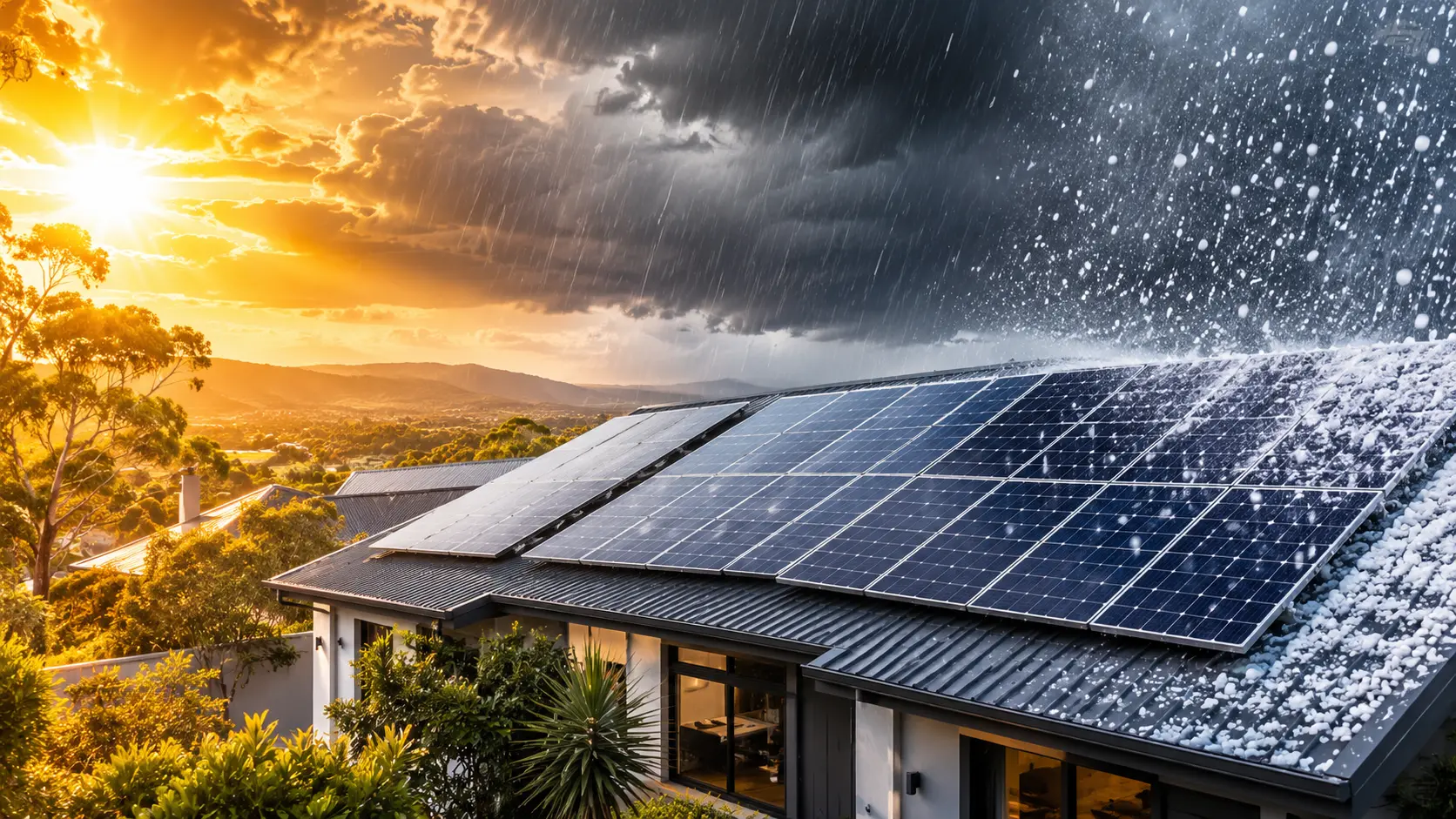
Adelaide’s weather is a real character – sweltering summers, sporadic downpours and the odd hailstorm. If you’re a young Aussie professional powering up your Solar System Installation on your rooftop, you’ve probably wondered: will our hot summers, winter rains or freak hail waves mess with my clean energy investment? Spoiler alert: your panels are tougher than you think. In fact, our big, brilliant sunshine is mostly solar’s friend. Still, it pays to understand the nitty-gritty. We’ll walk you through what heat, rain and hail really do to your home solar setup, so you get maximum Electricity Bill Savings and a durable Solar Power System in Adelaide’s climate.
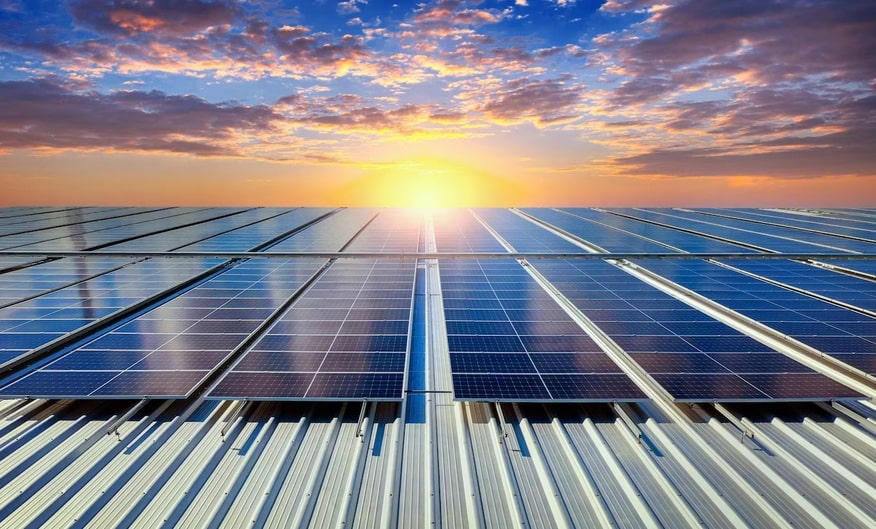
Sizzling Summers: Heat and Your Solar System Installation
When Adelaide’s mercury climbs above 40 °C, your rooftop solar panels feel it too – after all, they’re essentially outdoor toasters. Technically, each 1 °C rise above 25 °C chips away about 0.37% of a panel’s output. On a searing 40 °C day, that means you might get roughly 7–8% less power than on a milder 20 °C day. It sounds scary, but in practice it’s usually no big drama. Those record-heat days often come with crystal-clear skies, so there’s plenty of sunlight to go around. In other words, even if panels run a bit hot, they’re still generating tons of juice in all that sun.
Modern panels and inverters are built for this. The glass in a panel is tempered – about 4–5 times stronger than normal glass – so panels don’t “melt” or warp in the heat. Instead, they simply run a little less efficiently. You might notice slightly lower power numbers on a monitoring app during midday peaks, but rest assured you’re still often out-producing cooler days. And yes, your Solar Inverter can get hot too. Quality inverters have fans or thermal management, and some will briefly derate if internal temps exceed ~60–75 °C. (So keep that inverter shaded or ventilated if you can.)
In short, the Adelaide sun doesn’t ruin solar panels – it is solar panels’ lifeblood. The Australian Government’s Solar Consumer Guide even notes that when choosing a system you should factor in “location, including the weather and sun exposure”. Hot or not, the sunniest seasons produce by far the most solar energy in every Aussie city. In fact, Adelaide’s summer days give you more total kWh than winter, even after accounting for a few efficiency losses. Think of it like this: your solar system installation is at an all-you-can-eat buffet in summer – the service (efficiency) dips a bit due to the heat, but the quantity of food (sunlight) is way higher than in winter.
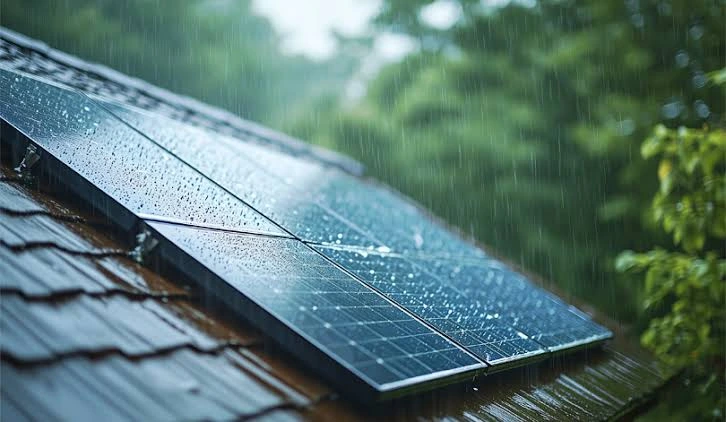
Rainy Days: Adelaide’s Natural Panel Rinse (with Caveats)
Rain in Adelaide is a bit of a double-edged sword for your Solar System Installation. On one hand, occasional showers act like a free car wash for your panels – they can knock off loose dust and debris. The Australian Government’s Solar Consumer Guide reminds us panels work on both direct and diffuse light, so even under clouds or drizzle you’ll still get some generation (just much less than on a sunny day).
On the other hand, Adelaide’s long dry spells mean dust and grime often get baked onto panels. A stray rain shower might rinse off the top layer, but stubborn dirt, bird droppings or sap can stick around. In fact, studies in Adelaide’s climate show dirty panels can lose 15–30% of their output (commonly about 15–20% on average). That’s equivalent to throwing away a big slice of your solar energy savings!
In practice, you should view rain as helpful but not sufficient. After a light shower you might see a bump in performance (yay!), but it’s wise to have a cleaning schedule or inspection every few months. Energy Safe Victoria even recommends servicing your home solar at least once every two years, partly because weather exposure can gradually degrade parts like the DC isolator casing. Over time, rain and humidity can sneak into seals and connectors if not inspected, so a check-up every season is smart.
It’s also good to be mindful of panel contaminants. In Adelaide, keep an eye out for:
- Dust & Pollution: Our dry climate and city smog create a fine film on panels. This film can block 5–15% of sunlight, cutting into panel efficiency until it’s washed or wiped off.
- Bird Droppings: Annoying acid spots from perching birds. They locally shade the cells they land on, dropping output under those spots.
- Tree Sap & Pollen: Springtime in Adelaide brings sticky sap and plenty of pollen. Once dry, these leave residues that rain alone often won’t clean.
- Coastal Salt Spray: For those with rooftops near the sea, salty air can leave a haze. Salt can corrode panel edges or inverters and dull the glass if not regularly rinsed.
If you notice your system’s power meter sagging month-over-month (especially after a storm season), schedule a professional Solar Panel Cleaning. According to local solar experts, good cleaning can boost output by up to 30%. Ultimately, you’ll maximize your Electricity Bill Savings by keeping panels clear of grime. And remember, after any heavy storm or flood it’s wise to have your installation inspected – pooling water around the roof or subsidence can stress mounts and wiring. (Lightning strikes? Most inverters have built-in surge protection, but if you suspect any damage, get an electrician to check it out.)
For detailed guidelines on optimizing your system for Australian conditions, see the Australian Government’s Solar Consumer Guide. It’s packed with tips on choosing panels and installation practices suited to our climate.
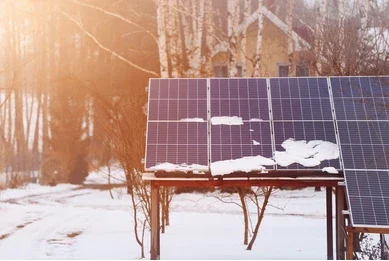
Hailstorms: Solar Panels vs. Ice Pellets
Hail: the meteorite of backyard solar. Let’s be honest, those marble-sized missiles are enough to make you wince. Fortunately, your rooftop panels were designed with this in mind. By Australian (IEC 61215) standards, every solar panel must survive a 25 mm ice-ball strike at about 23 m/s. That’s roughly a golf-ball-sized hail falling at 82 km/h – a decent smack. Many panels on the market exceed this: some brands test against 40–45 mm hail for peace of mind. The toughened front glass on a solar panel is about four times stronger than regular glass, so typical hail in Adelaide (often 1–3 cm diameter) usually just bounces off with little more than a dent or scratch.
Still, Aussie weather can throw curveballs. Big hail (think hockey-puck size) packs way more energy. CSIRO researchers point out that anything above ~25 mm in diameter carries much more destructive force – they even saw Canberra panels get pockmarked by golf-ball hail during a freak 2020 storm. In short: a monster hailstorm can crack panels or create “microcracks” in the silicon below the glass. Those tiny internal fractures aren’t always visible, but they degrade performance over time if undetected.
What’s an Adelaide homeowner to do? For starters, ensure you pick quality panels (many Tier 1 brands explicitly rate their hail tolerance). Have your installer secure the mounting rails well: a sturdy frame prevents panels from flexing under impact. After a severe hailstorm, it’s worth a quick look. (If you see cracked or spider-webbed glass, call your installer.) Many insurers will cover hail damage to solar equipment, so check your policy. In day-to-day life, enjoy the benefits: hail is usually local and brief, and most panels shrug it off. The reinforced panels sold for residential Solar Panel Installation in Adelaide are generally tough enough for our weather.
Why Professional Solar System Installation Matters in Adelaide’s Climate
Adelaide experiences everything from scorching summer temperatures to heavy winter rain and occasional hailstorms. That’s why choosing a professional Solar System Installation is just as important as selecting quality solar panels. A properly designed system uses durable mounting hardware, secure roof fixings, weather-resistant cabling and correctly positioned inverters to help withstand changing weather conditions throughout the year. Experienced installers also consider roof orientation, ventilation and local environmental factors to maximise long-term energy production and system reliability. An accredited installer should also provide guidance on monitoring, maintenance and warranty coverage.
Simple Ways to Protect Your Solar Investment
Your solar system is built for Australian conditions, but a few simple habits can help maintain peak performance. Monitor your inverter or solar monitoring app regularly to identify unexpected drops in energy production. Trim nearby trees that may create shade during different seasons, keep the area around your inverter well ventilated, and arrange professional servicing every couple of years. After severe storms or hail events, inspect your panels from ground level for visible damage and contact a licensed electrician if you notice cracked glass, loose mounting components or inverter fault codes. Regular inspections can identify small issues before they become expensive repairs.
Choose Hybrid Electrical for Reliable Solar System Installation in Adelaide
When investing in a Solar System Installation, you need a team that understands Adelaide’s climate and delivers quality workmanship. Hybrid Electrical provides tailored solar solutions designed to perform efficiently throughout the year, whether you’re installing a new residential system, upgrading an existing setup or preparing for future battery storage. From the initial assessment through installation and ongoing support, our experienced electricians focus on safety, performance and long-term energy savings so you can enjoy reliable renewable energy for years to come.
Conclusion
In summary, Adelaide’s climate – though intense – is largely solar-friendly. The blazing summer heat only mildly trims panel efficiency (around 0.3 — 0.4% per °C above 25°C), and it mostly coincides with peak sunshine, so your net generation stays very high. Rain provides a natural rinse (just not a deep clean), and unless you live in a dust storm hotspot or by the sea, normal showers help more than hurt.
As for hail, standard rooftop panels pass the 25 mm ice-ball test, so routine storms won’t usually break them – though big tournament-sized hail can. Overall, these weather quirks are manageable with proper panel choice and maintenance. Keep those panels clean, have a pro check your system every couple of years, and you’ll keep your Electricity Bill Savings humming along even when Mother Nature throws a tantrum.
Ready to make the most of Adelaide’s sunshine? Hybrid Electrical has you covered with top-tier Solar System Installation and advice tailored for our unique weather. Whether you’re building an Energy-Efficient Home or upgrading your Residential Solar Installation, our accredited team can recommend panels, inverters and setups designed to thrive here. Contact us today to review your system’s performance or get a free quote on a new solar setup. With the right professional solar installer on your side, you’ll stay cool, dry and powered up—rain, hail or shine.
Frequently Asked Questions
Q: Do solar panels stop working in extreme Adelaide heat?
No. Solar System Installation continues to generate electricity during hot weather, although Solar Panel Efficiency drops slightly (around 0.3–0.4% for every degree above 25°C). Thanks to Adelaide’s abundant sunshine, your Solar System Installation still produces more energy on clear summer days than on cloudy winter days.
Q: Will heavy rain or storms damage my Solar System Installation?
Not usually. Rain helps clean your Solar System Installation, but stubborn dust, bird droppings and debris may still require professional cleaning. After severe storms, it’s a good idea to inspect your Solar Power System and arrange maintenance if you notice reduced performance or visible damage.
Q: Can rooftop solar panels withstand hail in Adelaide?
Yes. A quality Solar System Installation is built to withstand typical Australian hail conditions. Most Rooftop Solar Panels are tested to strict standards, although unusually large hail can still cause damage. After a major hailstorm, inspect your Solar Panel Installation or have a professional check the system.
Q: How often should I maintain my Solar System Installation?
For the best Solar Panel Performance, inspect your Solar System Installation every 3–6 months and arrange professional servicing every 1–2 years. Regular maintenance keeps your Solar Inverter, wiring and panels operating safely while maximising Solar Energy Savings.
Q: Do heat, rain and hail reduce solar savings?
Only slightly. A well-designed Solar System Installation still delivers excellent Electricity Bill Savings despite changing weather. While extreme heat, prolonged rain or severe hail may temporarily affect output, quality installation and routine maintenance ensure your system provides reliable Clean Energy Solutions and long-term savings.