

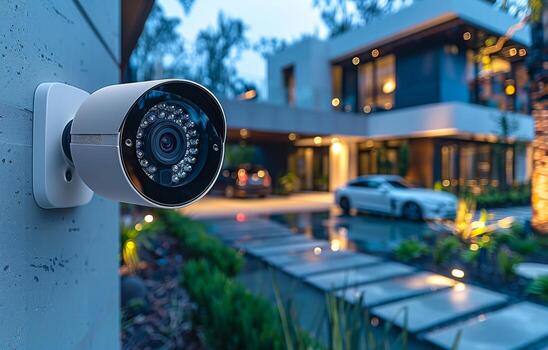
CCTV Installation has become a practical option for Adelaide property owners who want a better view of what is happening around their homes or businesses. A few well-placed cameras can cover an entrance, driveway, garage or other exposed area without turning the property into a maze of equipment. The important part is getting the layout right from the beginning.
Security cameras have changed quite a bit over the years. Today’s CCTV camera systems can offer clearer images, motion alerts, night vision and remote viewing through a phone. A well-planned CCTV installation can help you make the most of these features by placing each camera where it can provide useful coverage. That sounds useful, but buying a camera simply because it has a long list of features does not guarantee good footage.
The property itself should guide the decision. A small house in Adelaide may need a very different setup from a warehouse, office or retail shop. Camera position, lighting, cable routes, recording time and internet connectivity all have a bearing on how well the finished system performs.
Why Are Security Cameras Useful?
A camera will not physically stop someone from entering a property. What it can do is make activity around the building easier to see and, in some circumstances, provide useful recorded footage. Visible cameras may also discourage people from approaching certain areas.
South Australia Police recommends security cameras as one part of a wider home security approach. Its guidance suggests placing cameras where they can capture useful facial images and considering lighting, camera position and other security measures alongside CCTV.
For a family home, the front entrance, garage and driveway are often sensible places to start. A business might need cameras at customer entrances, stock areas, loading zones and car parks. There is no universal camera layout because every property has different access points and blind spots.
What Does CCTV Installation Involve?
CCTV Installation is more than attaching cameras to walls and switching them on. The installer first needs to work out what each camera is supposed to see. This sounds obvious, but it is where many poor installations go wrong.
A camera may show a wide area but fail to capture enough detail to identify someone. Another may provide excellent footage during the day but struggle once the sun goes down. Glare from windows, headlights and outdoor lighting can also affect the final image.
The mounting location matters too. A camera installed too high may provide a useful overview but produce limited facial detail. A camera installed too low can be easier to interfere with. Finding a sensible middle ground is part of good CCTV Installation planning.
Types of CCTV Cameras to Consider
The right camera depends on the area being monitored. There is little benefit in choosing a particular style simply because it is popular. Look at the distance, lighting, weather exposure and viewing angle first.
Common camera options include:
- Bullet cameras: A useful choice for driveways, side paths and other outdoor areas where a directional view is needed.
- Dome cameras: Their compact shape can work well in homes, offices, shops and covered areas.
- Turret cameras: These allow flexible positioning and are commonly used for both indoor and outdoor security.
- PTZ cameras: Pan, tilt and zoom functions can be useful when a larger area needs to be monitored from one position.
- Wireless cameras: These can be convenient when running cables is difficult, although the wireless signal still needs to be reliable.
- IP cameras: These connect to a network and can provide high-quality footage with remote viewing options.
For many Adelaide properties, a mixture of camera types can make more sense than using the same model everywhere. A driveway might need a different lens and viewing angle from a front door.
Wired or Wireless Security Cameras?
This is one of the questions that comes up early in CCTV Installation planning. Wired systems use physical cabling to connect cameras to the relevant network or recording equipment. Wireless cameras generally communicate through Wi-Fi, although they still need a power source unless they are battery operated.
Wired CCTV can be a good fit for larger properties or installations where dependable connectivity is important. Once the cables are properly installed, the system does not rely on the strength of a Wi-Fi signal between the camera and network equipment.
Wireless security cameras can make sense where extensive cabling would be difficult. They are also useful for some smaller residential applications. However, walls, distance and building materials can weaken a wireless connection.
The best choice is therefore not simply “wired versus wireless”. The building, network and intended camera positions should be looked at together before the equipment is selected.
Where Should Cameras Be Positioned?
Good camera placement can make a bigger difference than buying a more expensive camera. Start with the areas where someone is most likely to approach, enter or move around the property.
For a house, that may include the front door, rear door, driveway, garage and side access. A business may need a broader plan covering customer entrances, staff access points, storage areas and external spaces.
South Australia Police advises that camera placement should be based on what you want the camera to record. For business CCTV, it also highlights the importance of avoiding glare and making sure cameras work effectively in both daylight and darkness.
Try not to point a camera directly towards the sun or a strong light source. Vehicle headlights can cause a similar problem at night. Nearby trees, signs and vegetation should also be considered because they can eventually obstruct the camera’s view.
How Many Cameras Does a Property Need?
There is no magic number. A small home may achieve useful coverage with three or four cameras, while a larger house could require more. Commercial properties can vary even more because of their size and layout.
The better question is not “How many cameras should I buy?” but “Which areas need to be visible?” Once those areas have been identified, the number of cameras becomes easier to work out.
Adding cameras simply to increase the total can create unnecessary expense. It can also make footage harder to review. A smaller system with sensible positioning may be more useful than a large system with overlapping or poorly directed views.
CCTV Installation Guide for Different Areas
| Property Area | Suitable Camera Option | What It Should Capture | Main Point to Check |
|---|---|---|---|
| Front door | Dome or turret | Visitors approaching the entrance | Facial detail and lighting |
| Driveway | Bullet or turret | People and vehicles | Viewing distance and night vision |
| Garage | Dome or turret | Garage entrance and surrounding area | Blind spots around the door |
| Side passage | Bullet | Movement along narrow access | Camera angle |
| Rear entrance | Outdoor turret | Door and immediate surroundings | Weather protection |
| Shop entrance | Dome or turret | Customers entering and leaving | Glare and facial visibility |
| Car park | Bullet or PTZ | Vehicles and people | Coverage distance |
| Warehouse | Bullet or PTZ | Larger open areas | Mounting height and lighting |
This is only a starting point. The final layout should be based on the actual property rather than a standard package. A site with unusual corners, several access routes or changing light conditions may require a different arrangement.
Does Night Vision Really Matter?
It does if you expect the cameras to be useful after dark. Outdoor areas can look very different at night compared with the middle of the day, especially around driveways and rear entrances.
Many modern cameras use infrared technology to produce footage in low-light conditions. Others use low-light sensors that can retain colour in certain conditions. Performance varies between models, so it is worth checking the specifications rather than assuming every camera will produce the same result.
Lighting also deserves attention. A camera positioned beside a very bright security light may experience glare, while one placed in a completely dark corner may struggle to capture useful detail.
During CCTV Installation, think about what the area looks like at different times. Headlights, streetlights and indoor lighting spilling through windows can all change the image.
What About CCTV Storage?
A camera can record excellent footage, but that footage needs somewhere to go. Storage is therefore an important part of CCTV Installation and should not be treated as an afterthought.
Some systems use a local recorder, while others rely partly or entirely on cloud storage. Local storage gives you physical control over recordings, while cloud-based options can make remote access more convenient.
The amount of storage required depends on the number of cameras, video quality, recording settings and how long you want to keep footage. Continuous recording will use more storage than motion-based recording.
South Australia Police notes that digital storage is preferred for CCTV because it makes footage easier to use and export. For business CCTV, SAPOL also references a minimum recommended retention period of 31 days under the Australian Standards for CCTV management and operation.
Can CCTV Be Viewed on a Phone?
Many modern CCTV systems allow remote viewing through a smartphone or tablet. This can be handy when you are away from home and want to check an entrance, driveway or another monitored area.
The exact features depend on the camera system. Some provide motion notifications, while others allow you to view live footage and communicate through compatible devices.
A reliable network connection is important for remote viewing. Security should also be taken seriously. Default passwords should not be left unchanged, and the system should be kept updated where appropriate.
Remote access is convenient, but it should not become the weakest point in the security setup.
CCTV for Adelaide Businesses
Commercial CCTV Installation often requires more planning than a basic residential system. A shop, office, warehouse or workshop may have several entrances and a much larger area to cover.
Businesses also need to think about how footage will be accessed and retained. Employees may need to review recordings after an incident, so the system should be straightforward to operate.
Camera placement should focus on practical security rather than simply recording everyone everywhere. Entrances, cash-handling areas, stock rooms and external access points may have different requirements.
For business owners, privacy is another consideration. The Office of the Australian Information Commissioner explains that organizations covered by the Privacy Act may have obligations concerning personal information collected through security cameras, including notification and secure handling of recordings.
Privacy Matters With CCTV
Installing a camera on your property does not mean every surrounding area should automatically be recorded. It is sensible to keep the camera’s field of view focused on the area that actually needs protection.Installing a camera on your property does not mean every surrounding area should automatically be recorded. It is sensible to keep the camera’s field of view focused on the area that actually needs protection. The Australian Government’s security camera privacy guidanceexplains how privacy requirements can apply when CCTV captures identifiable individuals.
South Australian surveillance laws can apply to the recording of private conversations and private activities. The Legal Services Commission of South Australia explains that the Surveillance Devices Act 2016 regulates certain uses of optical and listening surveillance devices.This is particularly important when cameras are close to neighboring properties or areas where people may reasonably expect privacy. If audio recording is available, check the relevant requirements before enabling it.
For commercial properties, additional privacy considerations may apply depending on the organization and the information being collected. When in doubt, obtaining appropriate legal advice is better than assuming a camera can be pointed anywhere.
What Can Affect CCTV Installation Costs?
The cost of CCTV Installation depends on the job rather than simply the number of cameras. Equipment quality is one factor, but labour, cable length, access and recording requirements can also affect the final price.
A straightforward single-storey home with accessible cable routes may be relatively simple. A multi-level building with difficult access can require considerably more work.
Before accepting a quote, check what is actually included. Ask about the cameras, recorder, cabling, installation, setup and testing. It is also worth asking whether future camera additions can be accommodated.
Choosing solely on the lowest price can sometimes leave important parts of the installation out. A clearer quote makes it easier to compare different options properly.
When Is Professional CCTV Installation Worth It?
DIY cameras have made basic security more accessible, particularly for people who only need a small wireless setup. Professional installation becomes more valuable when the system is larger, wired or intended to provide comprehensive coverage.
An experienced installer can look at the property before deciding where equipment should go. That helps identify blind spots, difficult cable routes, weak network areas and lighting problems early.
Electrical requirements also need to be handled appropriately. If the work involves electrical installations or modifications, using a suitably licensed electrical professional is important.
The aim is not to make the system unnecessarily complicated. Good CCTV Installation should leave you with equipment that is positioned properly, records reliably and is straightforward to use.
Conclusion
A useful CCTV system starts with the property, not the camera box. Think about entrances, driveways, garages, side access, lighting, storage and the areas that genuinely need monitoring. The right combination of cameras can provide clear footage without covering every corner of the property.
For Adelaide homeowners and businesses considering a new system, Hybrid Electrical can assist with CCTV Installation and related electrical requirements. You can explore the available electrical services or get in touch to discuss what your property needs before choosing equipment.