

Anyone who has spent an Adelaide summer in a room that simply will not cool down knows how frustrating it can be. You turn the air conditioner on, lower the temperature and wait, but the room still feels warm. In some cases, the problem is not the brand or age of the unit. It may come down to the way it was selected or installed in the first place.
Good Air Conditioner Installation starts with understanding the home. Where the indoor unit sits, how far the cooled air has to travel, where the outdoor unit is positioned and how the electrical connections are handled can all make a noticeable difference. A system that suits the property and has been installed properly is far more likely to keep the room comfortable without being pushed harder than necessary.
Adelaide properties can present very different challenges. A traditional home with older windows may gain heat quickly, while a modern open-plan property can have large areas that need to be cooled. That is why installation should be based on the actual home, rather than simply choosing a unit because it has a higher capacity or a familiar brand name.
For homeowners planning a new system, it is also worth considering the wider Hybrid Electrical Services available before deciding on the most suitable setup.
Why Does Installation Quality Matter So Much?
An air conditioner is only going to perform as well as the conditions around it allow. A good-quality unit can still disappoint if it is placed where airflow is restricted, if its capacity does not suit the room or if important installation details are overlooked.
Professional Air Conditioner Installation gives the installer a chance to look at the whole space before the work begins. Room dimensions, ceiling height, windows, insulation, afternoon sun and normal occupancy can all affect the final recommendation. These details may sound minor, but they can change how much cooling a room actually needs.
The Government of South Australia also recommends considering factors such as room size, ceiling height and window size and location when selecting cooling equipment. It points out that an undersized appliance can run for longer without effectively cooling the area.
That is why a quick equipment sale should not be confused with a properly planned installation. The two are not quite the same thing.
How Can the Right System Improve Daily Comfort?
Most people do not judge comfort by the number shown on a thermostat alone. They notice whether the room feels evenly cooled, whether one corner remains hot and whether cold air is blowing directly onto them while another part of the room stays warm.
A carefully planned Air Conditioner Installation can help avoid these problems. Indoor unit placement has a direct relationship with airflow. If furniture, walls or other obstacles interfere with the discharge of air, the system may not cool the space as evenly as expected.
The outdoor unit deserves attention too. It needs room to release heat and should be positioned somewhere that allows reasonable access when servicing is eventually required.
Think about a large Adelaide living room with several windows. The best position for the indoor unit may not be the easiest place for an installer to reach. It should instead be chosen with the way people use the room in mind.
What Happens When an Air Conditioner Is the Wrong Size?
Choosing a larger unit because it appears more powerful is not always a smart move. An undersized system can certainly struggle, particularly when Adelaide experiences a run of very hot days. It may keep operating for long periods while the room never quite reaches the desired temperature.
Oversizing can be problematic for a different reason. A unit that is too powerful for the space can cool the air quickly without necessarily providing the steady conditions occupants want. Depending on the circumstances, this can also affect humidity control and cycling behaviour.
This is where professional Air Conditioner Installation becomes more than a simple mounting job. The capacity needs to make sense for the room and the conditions in which the system will operate.
A useful installation is not about having the biggest possible appliance. It is about having one that can comfortably handle the space without being unnecessarily large.
How Does Installation Position Affect Comfort?
Where an indoor unit is installed can change the experience of using the air conditioner every day. If it is placed behind furniture, too close to an obstruction or in a position that sends air directly towards a bed or sofa, occupants may not be happy with the result.
During Air Conditioner Installation, an experienced installer should consider the natural movement of air through the room. Doors, windows and furniture can all influence that movement.
The outdoor unit needs similar thought. It should have adequate ventilation and should not be squeezed into a location where heat cannot escape properly. It also helps if technicians can reach it later without having to work around unnecessary obstacles.
Something that looks neat on installation day is not automatically the best choice for the next ten years.
Which Installation Options Suit Adelaide Homes?
There is no single air conditioning arrangement that suits every Adelaide property. A compact bedroom and a large open-plan living area have different requirements, and a family using several rooms throughout the day may need another approach altogether.
For homeowners comparing air conditioner installation Adelaide options, it is worth starting with how the home is actually used. A split system can make sense when only selected rooms need cooling. A ducted system may be more appropriate when several areas need regular heating and cooling.
The purchase price is only part of the decision. Installation requirements, electricity use, servicing and expected lifespan should also be considered. A system that costs less at the beginning may not necessarily provide better value if it is poorly suited to the property.
What Is Involved in a Professional Installation?
There is quite a bit more involved than attaching the indoor unit to a wall. Depending on the system and property, installation can involve mounting the indoor and outdoor components, running refrigerant lines, managing condensate drainage, completing electrical connections and testing the finished system.
The route taken by pipework matters too. It should be practical, secure and neat without creating unnecessary difficulties for future maintenance.
For anyone looking at AC installation Adelaide, it is sensible to ask exactly what the quoted work covers. Electrical requirements, wall mounting, drainage, pipework and access can all vary from one property to another.
A clear scope of work at the beginning can save an awkward conversation later.
Why Does Electrical Work Matter?
Air conditioning equipment becomes part of the home’s electrical system, so the electrical side should never be treated as an afterthought. The requirements of the selected system need to be considered alongside the home’s existing electrical setup.
This can be particularly important in houses that already have solar panels, batteries, electric vehicle charging equipment or other appliances that place a significant demand on the electrical system.
A qualified professional can check what is required before installation rather than discovering a problem once the equipment is ready to be connected.
An experienced Air Conditioner Installation team should therefore look beyond the appliance itself. Safe electrical integration is part of getting the job right.
South Australian requirements also apply to certain permanently installed air conditioners. The state’s Technical Regulator provides information about demand-response requirements for specified air conditioning equipment connected to the electricity network.
What Can Homeowners Do Before Installation?
There is no need to completely reorganise the house before the installer arrives, but a little thought beforehand can be useful.
Think about which rooms become uncomfortable first, where the afternoon sun hits and whether there are particular areas where you would prefer more airflow. If noise is a concern, mention it before the installation position is finalised.
It is also worth considering whether you want heating as well as cooling. A reverse-cycle system may be useful if the same appliance will be used throughout the year.
Before the installer arrives, consider:
- Which rooms are occupied most often.
- Where direct sunlight enters during the hottest part of the day.
- Whether windows or doors allow noticeable heat gain or draughts.
- Whether furniture could interfere with airflow.
- Where the outdoor unit could be positioned without causing access problems.
- Whether heating will be needed during cooler months.
- Whether the home has solar, battery storage or other high-demand electrical equipment.
These small details give the installer a much better idea of what matters to the household.
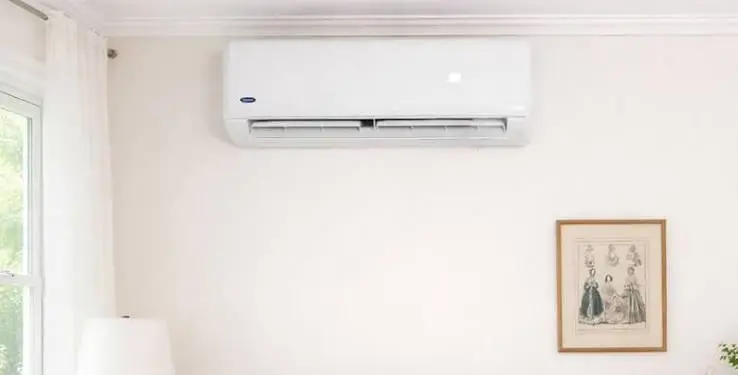
How Can a Split System Improve Individual Rooms?
A split system can be a practical choice when the household wants to concentrate cooling on particular rooms. Bedrooms, living rooms and home offices are common examples because they are often occupied for several hours at a time.
With split system installation Adelaide, the indoor and outdoor units need to be positioned as part of the same plan. The indoor unit needs a clear route for airflow, while the outdoor unit requires enough space to operate and enough access for future servicing.
There is also a practical benefit to targeted cooling. If most of the household spends its evenings in one living area, there may be little reason to condition empty rooms at the same time.
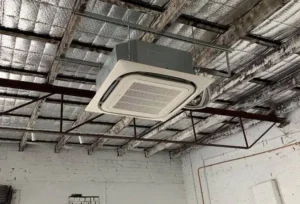
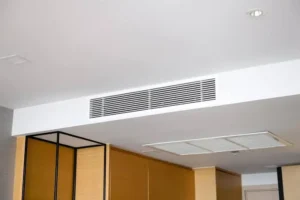
When Is Ducted Air Conditioning Worth Considering?
Ducted systems can be a good fit for larger homes where several rooms need to be cooled or heated. The system can distribute conditioned air through multiple outlets, while zoning can give occupants more control over which parts of the house are operating.
For ducted air conditioning installation Adelaide, the duct layout is just as important as the equipment. Ceiling access, duct insulation, outlet locations and the overall floor plan all need to be considered.
A poorly planned ducted system can lose some of its potential through inefficient duct runs or inadequate insulation. On the other hand, a well-designed system can provide a convenient way to manage comfort across several areas.
The South Australian Government also highlights zoning as a useful way to avoid conditioning parts of a home that are not being used.
How Does Energy Efficiency Affect Comfort?
Nobody wants to spend more on electricity than necessary, but energy efficiency is not simply about buying the appliance with the highest rating.
The system still has to be the right size for the property and installed in a way that allows it to do its job properly. Air leaks, poor duct insulation, excessive heat entering through windows and cooling unused areas can all undermine efficiency.
For homeowners researching energy efficient air conditioning Adelaide, it makes sense to look at the complete picture. Running costs, capacity, star ratings, installation requirements and the way the system will be used all matter.
The Government of South Australia advises homeowners to consider running costs when choosing cooling equipment and notes that heating and cooling can represent a substantial part of household energy use.
SEO-Rich Table: Installation Choices and Comfort Benefits
| Installation consideration | Possible issue when overlooked | Comfort and efficiency benefit |
| Correct system size | Long running times or uneven cooling | More consistent temperature control |
| Indoor unit position | Poor airflow or uncomfortable drafts | Better distribution of conditioned air |
| Outdoor unit location | Restricted ventilation or service access | Reliable operation and easier maintenance |
| Electrical requirements | Unsuitable or overloaded circuits | Safer and more dependable operation |
| Insulated pipework and ducting | Cooling losses | Better delivery of conditioned air |
| Zoning | Cooling unused rooms | More targeted energy use |
| Drainage | Water leakage or installation issues | Cleaner, more reliable operation |
| Future service access | Difficult maintenance | Easier inspections and repairs |
The table shows why the installation cannot be separated from the performance of the equipment. Several small decisions made at the start can affect how the system feels and operates later.
When Should an Older Air Conditioner Be Replaced?
Repair is not always the wrong choice. If an older system has a relatively minor fault and otherwise works well, repair may be perfectly reasonable.
However, frequent breakdowns, weak cooling, unusual noises and steadily increasing electricity bills can be signs that the appliance is approaching the end of its useful life.
For homeowners considering air conditioner replacement Adelaide, it makes sense to compare the likely cost of future repairs with the benefits of a newer, more efficient system.
A replacement also gives you an opportunity to rethink the setup. If the home has been renovated, extended or rearranged, the old system may no longer be appropriate for the way the property is used.
Why Should You Use Professional Air Conditioner Installers?
Installation has a direct connection with safety, performance and future servicing. Experienced professional air conditioner installers Adelaide can assess the property before deciding where equipment should go and what practical issues need to be addressed.
That experience becomes particularly useful when a property has limited outdoor space, unusual wall construction, difficult ceiling access or an existing electrical setup that needs attention.
It can be tempting to compare installers entirely on the lowest quote. Price matters, but so does the quality of the finished work. Saving a little upfront is less attractive if poor positioning or difficult maintenance creates problems later.
How Does Electrical Integration Affect Installation?
Today’s homes often have several electrical systems operating together. Solar panels, battery storage, induction appliances, electric vehicles and air conditioning can all contribute to household demand.
An air conditioning electrician Adelaide can assess the electrical requirements of the new system and consider how it will work alongside the property’s existing equipment.
This does not mean every installation needs major electrical changes. It simply means the requirements should be checked before the system is connected.
Taking this step can help avoid surprises and gives the homeowner a clearer understanding of what the installation involves.
How Can Professional Installation Help Long-Term Performance?
The installation should make future maintenance easier rather than harder.
Outdoor equipment should remain accessible, filters should be straightforward for homeowners to reach and pipework should be installed with care. Drainage also deserves attention because poorly managed condensate can eventually create unwanted moisture problems.
Professional Air Conditioner Installation provides an opportunity to get these details right before the system starts its everyday workload.
It is also useful for homeowners to understand the basic operating and maintenance requirements of their new system. Something as simple as cleaning filters regularly can make a difference to airflow and performance.
The South Australian Government recommends following the manufacturer’s cleaning and maintenance instructions and keeping cooling equipment properly maintained.
What Should You Look For in an Installation Service?
Pay attention to the questions an installer asks before recommending a system. Someone who wants to know about the room, windows, insulation, ceiling height and how you use the space is more likely to give you advice that fits the property.
When comparing air conditioner installation services Adelaide, ask what is included in the quotation. Find out how the indoor and outdoor units will be positioned, how drainage will be handled and whether any electrical work is expected.
It is also worth discussing future servicing. An outdoor unit that is technically installed but difficult to reach may create unnecessary inconvenience every time maintenance is required.
A good installation should make sense not only on the day it is completed but throughout the system’s working life.
How Can Adelaide Homeowners Get Better Results From Their System?
The installation provides the foundation, but everyday habits still have an effect.
Closing blinds before strong afternoon sun reaches the windows can reduce the amount of heat entering the room. Keeping doors closed to areas that do not need cooling can also prevent conditioned air from being wasted.
Filters should be kept clean according to the manufacturer’s instructions. If airflow becomes restricted, the system may have to work harder to achieve the same result.
Temperature settings matter as well. The Government of South Australia suggests setting refrigerative air conditioners around 24°C to 27°C, or higher if comfortable, to help reduce energy consumption.
These practical habits work alongside professional Air Conditioner Installation. There is no point installing an efficient system and then making it fight unnecessary heat gain every afternoon.
What Makes Professional Installation a Smart Investment?
Comfort is one of those things you notice most when it is missing. A room that stays warm despite the air conditioner running can quickly become frustrating, particularly during Adelaide’s hottest weather.
Good Air Conditioner Installation brings several pieces together: suitable equipment, sensible positioning, effective airflow, proper electrical connections and practical access for maintenance.
It also gives homeowners a chance to think ahead. The way a house is used can change over time, so the installation should be practical for more than just the current season.
For many Adelaide homeowners, the best decision is not necessarily the cheapest unit or the largest one available. It is the system that suits the property and has been installed with the property’s actual needs in mind.
Conclusion
An air conditioner should make a home more comfortable without creating a list of new problems. When the equipment is correctly selected and installed properly, it can provide steadier cooling, easier temperature control and dependable performance when Adelaide temperatures climb.
The installation itself deserves careful attention. Room size, windows, insulation, ceiling height, electrical capacity, outdoor space and the way the household uses each room can all influence the finished result. Getting these details right at the beginning can save plenty of frustration later.
If your current system is struggling, or you are planning cooling for a new or renovated Adelaide property, it is worth discussing the options before making a purchase. Contact Hybrid Electrical to discuss your Adelaide air conditioning requirements and arrange professional advice for a comfortable, reliable installation.
Frequently Asked Questions
1. How long does Air Conditioner Installation usually take?
The time depends on the type of system, access to the property, electrical requirements and the complexity of the work. A straightforward split system generally involves less work than a ducted setup serving several rooms.
2. What size air conditioner does my Adelaide home need?
There is no universal size. Room dimensions, windows, insulation, ceiling height, sunlight and other factors can influence the required capacity. Having the property assessed is preferable to choosing a system based only on floor area.
3. Is a split system or ducted system better for an Adelaide home?
It depends on the property and how the household uses it. Split systems can suit individual rooms or selected areas, while ducted systems can be useful when several rooms require regular heating and cooling.
4. Can an air conditioner provide heating as well as cooling?
Yes. Reverse-cycle systems can provide both heating and cooling. This makes them useful throughout the year rather than only during Adelaide’s warmer months.
5. How can I reduce air conditioning running costs?
Use the system where it is needed, keep filters clean, reduce direct sunlight entering rooms and avoid cooling unused areas. Correct sizing and an efficient system can also help control electricity use.
6. Should I repair or replace an old air conditioner?
Look at its age, repair history, cooling performance and operating costs. If breakdowns are becoming frequent or the system no longer provides adequate comfort, replacement may be more practical than continuing to repair it.