

If your electricity bill seems to climb even though your daily habits have not changed much, your lighting may be worth a closer look. Older halogen and incandescent fittings can use far more electricity than modern LED alternatives, especially when lights stay on for several hours each day.
For many Adelaide homes and businesses, LED Installation Adelaide is a straightforward way to update outdated lighting while making rooms brighter, more comfortable and easier to use. The key, however, is not simply replacing an old globe with a new one. The fitting, location, brightness, colour and controls all influence how well the finished lighting works.
A kitchen, for instance, needs practical light over benches and cooking areas. A bedroom calls for something softer. A workshop may need strong, even illumination, while an entrance needs enough light for people to move around safely. Good lighting starts with understanding those differences.
Why LED Installation Adelaide Is Becoming a Popular Choice
Lighting is easy to overlook because individual fittings do not appear to consume much electricity. The picture changes when a home has ten, twenty or more lights operating throughout the evening.
The South Australian Government recommends energy-efficient lighting and states that LED lights use around 85% less energy than halogen globes. It also notes that lighting accounts for about 7% of household energy use.
That makes LED Installation Adelaide worth considering when an older lighting system is due for an upgrade.
There is more to the change than electricity consumption. LEDs generally produce less heat than halogen lamps, have long operating lives and are available in a wide range of brightness levels and colour temperatures.
For an Adelaide property, that can mean less energy used for lighting and a more comfortable environment during the warmer months.
How LED Installation Adelaide Can Help Reduce Energy Costs
The biggest difference between old and modern lighting often comes down to power consumption.
A halogen downlight can use around 35–50 watts, and its transformer may consume additional electricity. If several of those fittings operate for hours every night, the total adds up.
Replacing them with appropriately selected LEDs reduces the electricity required to produce the necessary light. The actual saving will vary from one property to another, so it is better to look at your existing fittings, operating hours and electricity tariff rather than expecting one fixed figure.
This is where LED Installation Adelaide can become more than a simple fitting replacement. Lighting controls can make a difference too.
A sensor in a garage or storeroom can prevent a light from being left on unnecessarily. Separate switches can allow only part of a room to be illuminated. Dimmers can reduce brightness when full output is not needed, provided the LED and dimmer are compatible.
Small changes like these may not seem significant individually. Across a property, though, they can help reduce wasted lighting energy.
What to Look for Before Choosing LED Lighting
There is no single LED fitting that suits every room. Before arranging an upgrade, think about what you actually do in each space.
For a kitchen, brightness and accurate colour can be important when preparing food. In a bedroom, a warmer tone may feel more relaxing. A home office might benefit from clear, even illumination that does not create distracting reflections on a computer screen.
During LED Installation Adelaide, these factors should be considered alongside the physical layout of the room.
Here are the main things worth checking:
- Lumens: This is a better guide to brightness than wattage.
- Colour temperature: Warm white usually creates a softer feel, while neutral or cooler tones can suit work areas.
- Beam angle: A narrow beam focuses light, whereas a wider beam covers a broader area.
- Colour rendering: A higher colour-rendering rating can make surfaces and objects appear more natural.
- Dimming: Not every LED works with every dimmer, so compatibility matters.
- Position: Correct spacing can reduce shadows, glare and uneven patches.
Choosing fittings this way is more useful than buying based solely on appearance.
LED Downlight Installation for Adelaide Homes
Downlights remain popular in Adelaide because they provide a clean look and can distribute light effectively when positioned correctly.
However, replacing an old downlight is not always as simple as removing one fitting and installing another.
The electrician may need to consider the existing wiring, ceiling construction, insulation, transformer arrangement and the size of the ceiling cut-out. Older fittings can also have components that are unsuitable for newer LED systems.
This is why LED Installation Adelaide should include an assessment of the existing setup when older fittings are involved.
Insulation is particularly important around recessed ceiling lights. The fitting needs to be suitable for its location and installed with the appropriate clearances. Getting this wrong can create unnecessary safety and performance issues.
If several downlights are being replaced, take the opportunity to review their spacing as well. A room may have been fitted according to an old layout that no longer suits how the space is used.
Moving a few lights can sometimes make a bigger difference than simply choosing brighter lamps.
Is an LED Upgrade Better Than Replacing a Globe?
Not necessarily. It depends on what you already have.
An LED globe replacement can make sense when an existing fitting is in good condition, compatible with the new globe and positioned appropriately. It is a relatively simple way to improve efficiency without changing the layout.
A broader upgrade is different. It might involve new downlights, additional fittings, dimmers, sensors or separate lighting zones.
Imagine a kitchen where the existing ceiling light leaves the benchtop in shadow. Replacing the globe with a brighter LED may increase overall brightness without actually solving the problem. A better arrangement could involve additional task lighting in the areas where food is prepared.
On the other hand, if a bedroom already has good coverage, there may be no reason to redesign the entire ceiling.
The right approach to LED Installation Adelaide should therefore be based on the condition of the existing system and the way each room is used.
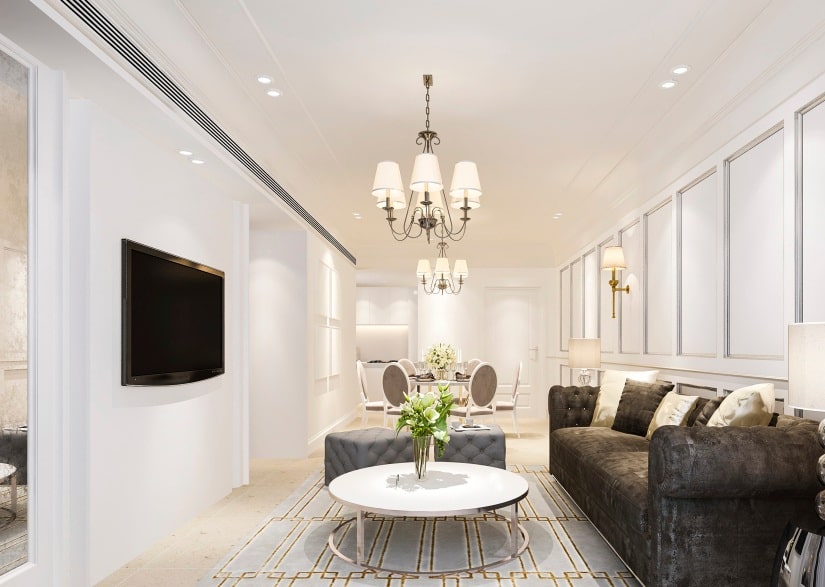
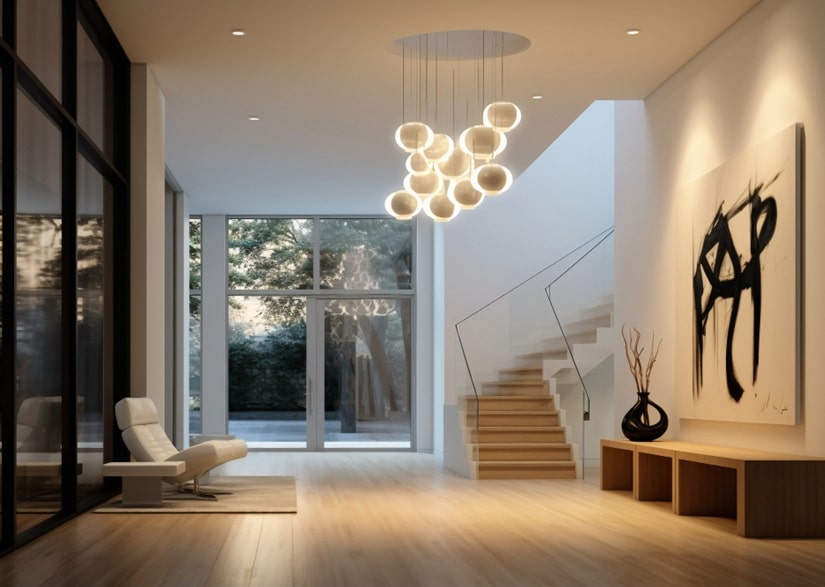
Residential Lighting Ideas for Adelaide Properties
Good residential lighting should make a house comfortable rather than feel overly bright.
In kitchens, focus on areas where detailed work takes place. Benchtops, sinks and cooking zones often benefit from useful task lighting.
Living rooms are different. Several smaller light sources can create a more pleasant atmosphere than one extremely bright fitting in the middle of the ceiling. Dimming can also give you more control in the evening.
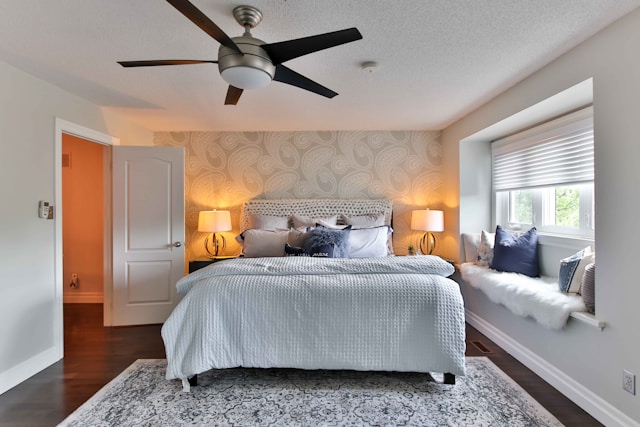
Bedrooms generally suit softer illumination. Warm white LEDs can create a relaxed feel, particularly when the lights can be dimmed.
Hallways, stairways and entrances need enough light for visibility. Outdoor areas such as garages, paths and entertaining spaces should also be considered.
One simple way to identify problems is to walk around the house after dark. Look for areas where you regularly reach for an extra lamp or where shadows make a task difficult. Those observations can help shape the next LED Installation Adelaide project.
Commercial LED Lighting in Adelaide
Businesses have a different set of lighting priorities.
An office may need comfortable illumination across desks. A warehouse may require broad, consistent light over aisles and work areas. Retail lighting may need to balance general visibility with feature lighting.
Because commercial lights can operate for long periods, energy efficiency becomes particularly relevant.
However, installing the brightest possible fittings is not necessarily the best answer. Excessive brightness can create glare and make a workplace uncomfortable.
A carefully planned LED Installation Adelaide project can divide lighting into practical zones. Sensors, timers and separate switching can also reduce the amount of time lights operate unnecessarily.
For a business considering a larger upgrade, comparing the existing lighting load with the proposed system can provide a clearer picture of potential savings.
LED Lighting Options at a Glance
| Lighting option | Common applications | Main benefit | What to check |
| LED globes | Existing compatible fittings | Easy efficiency upgrade | Globe and fitting compatibility |
| LED downlights | Kitchens, bedrooms, hallways | Clean ceiling appearance | Insulation and ceiling requirements |
| LED panels | Offices and commercial areas | Broad, even illumination | Size and light output |
| Sensor lights | Garages, entrances, storage areas | Operate when required | Sensor location and coverage |
| Dimmable LEDs | Living rooms and bedrooms | Adjustable brightness | Dimmer compatibility |
| Commercial LED systems | Offices, warehouses, retail | Efficient area lighting | Layout, controls and output |
The best option depends on the property. A fitting that works well in a hallway may be completely unsuitable for a workshop.
Planning an Energy-Efficient Lighting Upgrade
Start with the lights you use most.
Make a quick list of the fittings in each room and note which ones stay on for the longest periods. There is little benefit in prioritising a rarely used cupboard light when several halogen downlights operate in your kitchen every evening.
Next, look at how the lights are controlled. Do you have one switch controlling too many fittings? Are lights commonly left on in areas nobody is using? Would a sensor or separate switch make everyday use easier?
These questions can improve the result of LED Installation Adelaide without necessarily increasing the number of fittings.
If you are renovating, involve your electrician before the ceiling is closed. It is much easier to adjust wiring and fitting positions while other trades are already working in the area.
One Practical LED Installation Checklist
- Identify older or high-use lighting first.
- Compare replacement fittings by lumens rather than wattage.
- Select a colour temperature that suits the room.
- Check dimmer compatibility before buying dimmable LEDs.
- Review insulation and ceiling requirements around downlights.
- Consider sensors in areas that are used occasionally.
- Plan new lighting positions before renovation work is finished.
- Have electrical work installed and tested by a qualified electrician.
Why Professional Installation Makes a Difference
Lighting may look simple from the outside, but the electrical work behind a fitting deserves proper attention.
Existing wiring can be old or unsuitable for the proposed changes. A downlight may sit close to insulation or other ceiling materials. A dimmer that worked with an older lamp may not behave properly with a new LED.
A qualified electrician can check these details before the installation rather than discovering a problem after everything has been fitted.
Hybrid Electrical provides lighting and electrical outlet services for Adelaide homes and businesses, including consultation, installation, testing and ongoing support.
You can learn more about its Lighting & Electrical Outlet Installation Adelaide service before planning your project.
A proper assessment also helps avoid buying fittings that turn out to be unsuitable once work begins.
Common Lighting Upgrade Mistakes
One mistake is buying LEDs based only on wattage. A lower wattage does not automatically mean the fitting provides the right amount of light. Lumens are much more useful when comparing brightness.
Another is choosing a colour temperature without thinking about the room. Very cool lighting may feel harsh in a bedroom, while warm lighting may not provide the clarity needed for detailed work.
It is also easy to underestimate glare. A fitting can be bright enough without shining directly into someone’s eyes or reflecting off a television or computer screen.
Dimmers deserve attention too. If an existing dimmer is not compatible with the new LED fitting, flickering or buzzing can occur.
Finally, avoid assuming that every old downlight can be replaced immediately. The condition of the wiring, ceiling and components above the fitting should be checked first.
When Should You Upgrade Your Lighting?
There is no need to wait until every old globe stops working.
An upgrade may make sense when your lights are frequently used, generate noticeable heat, need regular replacement or no longer provide enough illumination.
Renovations are an obvious opportunity. Kitchen upgrades, bathroom renovations, extensions and office fit-outs often involve electrical work anyway, making it easier to review the lighting at the same time.
You can also take a staged approach. Start with the rooms where lighting consumes the most electricity or causes the most frustration, then work through the rest of the property later.
This approach can make LED Installation Adelaide easier to manage financially while still delivering useful improvements.
Final Thoughts
A lighting upgrade does not have to mean filling every ceiling with new fittings. The better approach is to work out where light is actually needed, select suitable equipment and avoid wasting energy in spaces that do not require constant illumination.
For many Adelaide properties, LED Installation Adelaide can improve everyday lighting while reducing the electricity required by older fittings. The potential benefit is strongest in areas that are used frequently, particularly where halogen lights are still installed.
Start with the rooms that matter most. Check the existing fittings, think about brightness and colour, and consider whether controls such as sensors or dimmers would genuinely improve the way you use the space.
Hybrid Electrical works with homes and businesses across Adelaide. Visit the Hybrid Electrical home page to learn more about its electrical services, or contact Hybrid Electrical to discuss your lighting requirements.
Frequently Asked Questions
1. How much can LED Installation Adelaide reduce electricity use?
There is no fixed saving because it depends on the existing fittings, replacement wattage, number of lights and operating hours. Replacing frequently used halogen lighting can significantly reduce the electricity used for lighting.
2. Can LEDs be installed in an older Adelaide property?
Yes. However, the existing wiring, fittings, transformers, ceiling construction and insulation should be checked before work begins. Older installations may need adjustments before new fittings are installed.
3. Are LED downlights suitable for kitchens?
They can be, particularly when positioned carefully. Kitchens often benefit from a combination of general ceiling lighting and focused illumination over benches and preparation areas.
4. Can LED lights work with existing dimmers?
Sometimes, but compatibility should be checked first. Not every LED fitting works correctly with every dimmer, and an incompatible combination may cause flickering or buzzing.
5. Is it better to replace all the lights at once?
Not necessarily. If the budget does not allow a complete upgrade, start with high-use rooms and inefficient fittings. The remaining lights can be replaced progressively.