

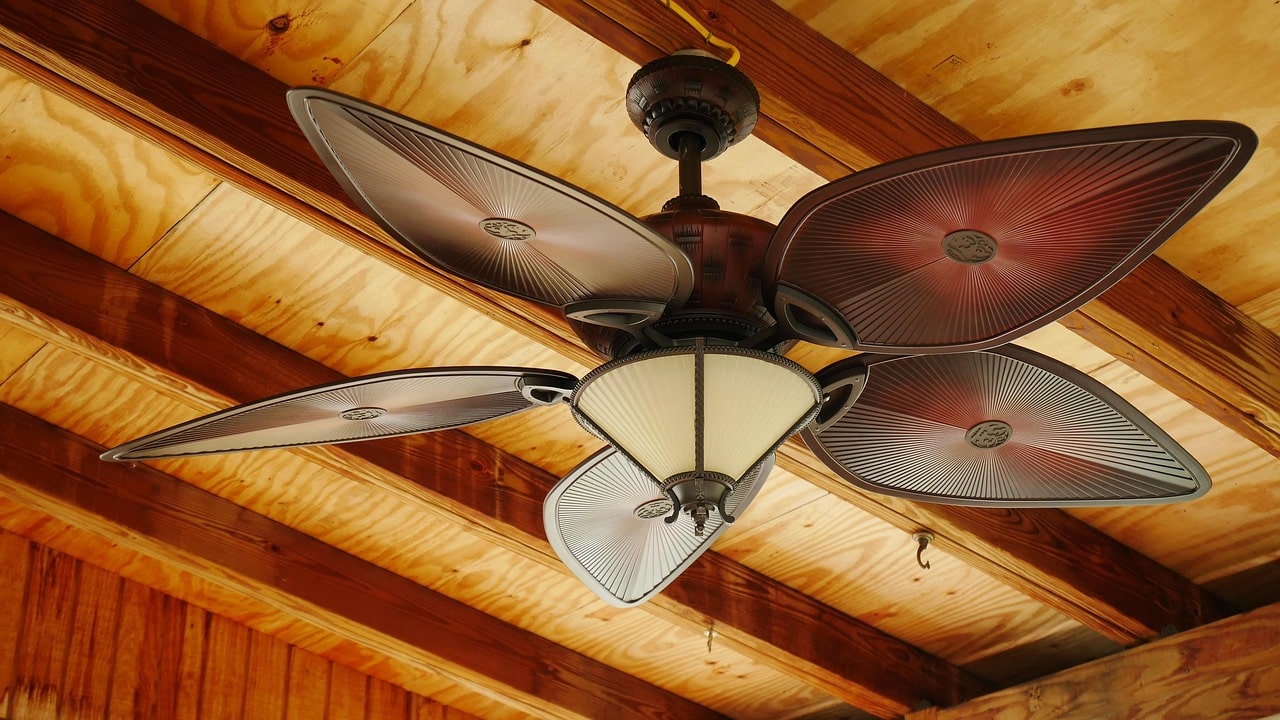
Ceiling Fan Installation in Kidman Park generally costs about $130–$300 for a straightforward replacement. A new installation may cost around $250–$450 or more when new wiring, structural support, switches or difficult roof access are required. The final price depends on the fan, your existing electrical setup and the complexity of the job.
A ceiling fan can improve airflow in bedrooms, living areas and covered outdoor spaces while reducing reliance on air conditioning. Quotes vary because wiring, access and mounting conditions differ between homes.
Typical Ceiling Fan Installation Costs in Kidman Park
These 2026 figures are practical estimates rather than fixed prices:
| Type of work | Indicative installation cost |
|---|---|
| Replace an existing ceiling fan | $130–$300 |
| Replace a fan with a fan-and-light model | $160–$350 |
| Install a fan at a suitable existing light point | $170–$350 |
| Add wiring, support or new controls | $250–$450+ |
| High ceilings or complex access | Quoted after inspection |
Australian pricing guides place straightforward replacements near the lower end, while Adelaide electricians commonly charge more for new cabling, bracing, separate switching or difficult access. The fan itself is usually an additional cost.
A written quote should explain whether removal, assembly, mounting, wiring, testing, clean-up and compliance documentation are included.
What Affects the Final Cost?
Replacement or New Installation
Replacing an existing fan is usually simpler because wiring and controls may already be available. The electrician must still confirm that the mounting point can safely support the new unit.
A new location may require cable runs, a wall switch or remote receiver, and suitable structural support. These additions increase labour and material costs.
Ceiling Access and Construction
Single-storey roof access can keep the job straightforward. Flat roofs, raked ceilings, two-storey sections or limited manhole access can make cable routing more involved.
Older wiring or previous alterations may also change the scope once the area is inspected. A proper assessment helps identify these issues early.
Fan Type and Controls
A standard fan with basic wall control is often simpler than a model with an integrated light, remote receiver, smart controls or long downrod. Extra components require more setup and testing.
For patios and alfresco areas, the fan must also suit the level of moisture and exposure. Indoor-only models should not be used in damp locations.
Number of Fans
Installing several fans during one appointment may be more efficient than arranging separate visits. Ask for an itemised quote showing each fan, shared labour and any electrical upgrades.
Practical Ways to Control the Cost
You can prepare for the work without compromising safety:
- Choose your preferred fan and provide the model details.
- Decide whether you want a wall switch, remote or both.
- Use an existing suitable fan location where practical.
- Ask whether old-fan removal is included.
- Request separate prices for labour, materials and fan supply.
- Consider installing several fans in one visit.
Check the room size, ceiling height, blade span, noise rating, airflow, warranty and indoor or outdoor suitability before purchasing. An unsuitable fan may need replacing sooner than expected.
Is DIY Ceiling Fan Installation Allowed?
A ceiling fan is fixed electrical equipment, so it is not a suitable do-it-yourself job. In South Australia, electrical work must be carried out by appropriately licensed and registered people, and electricians must provide an electronic Certificate of Compliance for most completed work.
The installation should follow the applicable AS/NZS 3000 Wiring Rules, the manufacturer’s instructions and South Australian safety requirements. This reduces the risk of electric shock, loose connections, damaged cabling and unsuitable support.
You can safely select the fan and clear the room. Leave disconnection, wiring, mounting, testing and certification to a licensed electrician.
What Should Your Quote Include?
A reliable quote should state:
- Who supplies the fan.
- Whether it is a replacement or new installation.
- Any new cabling, controls, support or access equipment.
- Removal of the existing fitting.
- Testing, warranty details and compliance certification.
- Any exclusions or possible additional charges.
Avoid comparing quotes only by the final number. One may include disposal and certification, while another may cover labour alone.
When to Call a Professional
Call a licensed electrician when replacing a hard-wired fan, adding a new location, changing controls or installing a fan with a light. Stop using a fan and arrange an inspection if it wobbles heavily, smells burnt, sparks or trips the circuit breaker.
Hybrid Electrical can inspect the ceiling, wiring, mounting point and controls before providing a clear Kidman Park quote. This gives you an accurate scope rather than a generic estimate based only on the fan model.
Conclusion
The cost of Ceiling Fan Installation in Kidman Park depends mainly on whether suitable wiring, controls, access and structural support already exist. A simple replacement usually sits at the lower end, while a new position or extra electrical work increases the price.
Choose a suitable fan, request an itemised quote and confirm that testing and compliance certification are included. For safe installation tailored to your home, arrange an assessment with Hybrid Electrical.
Frequently Asked Questions
How long does a ceiling fan take to install?
A straightforward replacement can often be completed in a single visit. A new location can take longer when wiring, controls, support or restricted roof access are involved.
Can a ceiling light be replaced with a fan?
Often, yes, but a light fitting’s mounting point may not support a rotating fan. The electrician must inspect the support, wiring and switching first.
Does a fan with a light cost more to install?
It can. A fan-and-light model may need different switching, additional conductors or receiver setup, particularly when you want separate controls.
Will I Receive a Compliance Certificate?
For most electrical work in South Australia, the electrician must issue an electronic Certificate of Compliance. Keep it with your property records as evidence that the work was certified.